Discover the Benefits of Puzzle Play for Children and Adults?

Time:2026-06-04 Author:Isabella
0%

In today's fast-paced world, puzzle play serves as a valuable tool for both children and adults. Dr. James Anderson, a prominent developmental psychologist, emphasizes the importance of this activity. He states, "Engaging with puzzles promotes critical thinking and problem-solving skills." This insight leads us to explore the question: What are the benefits of puzzle play?

Puzzle play enhances cognitive development. For children, it fosters skills like spatial awareness and logical reasoning. Adults, too, find mental exercises in puzzles that sharpen their focus and memory. The process of fitting pieces together is not merely a pastime; it challenges the brain and encourages perseverance.

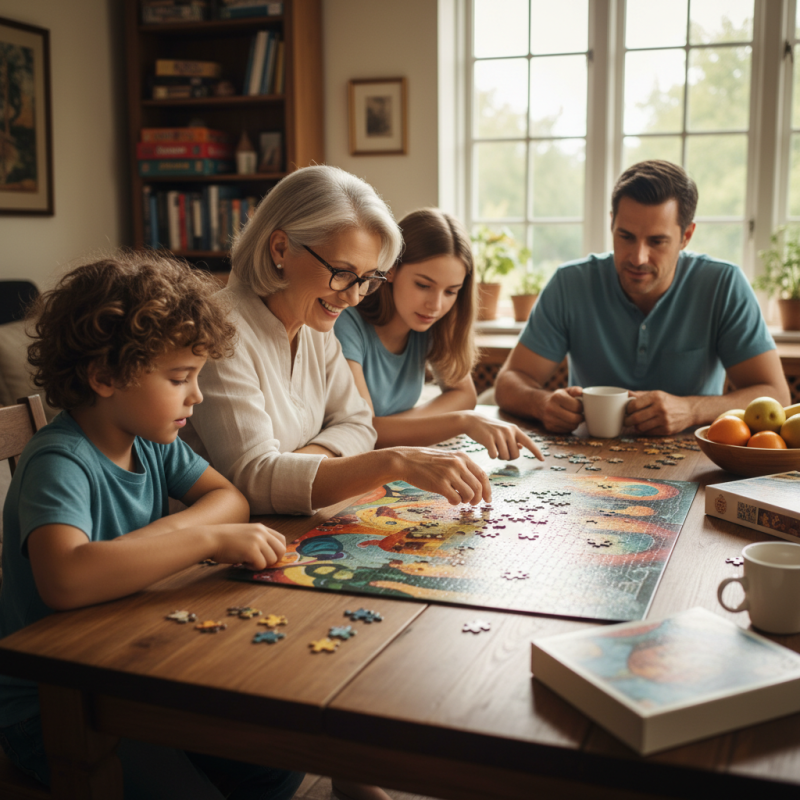
However, the benefits extend beyond cognitive aspects. Social interaction occurs during collaborative puzzle-solving. Family and friends bond over shared challenges and victories. Yet, not every puzzle will engage all individuals equally. Personal preferences matter, and some may struggle with frustration instead of finding joy. Choosing the right puzzle is essential for a fulfilling experience. This balance of challenge and enjoyment is crucial in understanding the true value of puzzle play.
Discover the Benefits of Puzzle Play for Children and Adults?

Understanding Puzzle Play: An Overview of Its Importance

Puzzle play is more than just a fun activity. It is essential for cognitive development in both children and adults. When engaging with puzzles, individuals enhance their problem-solving skills. This type of play encourages exploration and critical thinking. Children learn to recognize patterns, shapes, and colors, which are foundational skills for later learning.

For adults, puzzles provide a unique opportunity for mental exercise. They help improve memory and concentration. The act of fitting pieces together can be meditative, reducing stress and anxiety. Engaging with puzzles can also foster connections as families or friends work together. However, it's important to balance puzzle time with other activities. Overindulgence may lead to frustration or disengagement.

Moreover, puzzle play introduces challenges. Not every piece fits easily. Sometimes, it takes multiple attempts to find the right solution. This experience of trial and error is crucial. It teaches resilience and the importance of patience. Although puzzles can be rewarding, they can also connect us with our limitations. Embracing these challenges fosters growth and learning for everyone involved.

Cognitive Benefits of Puzzle Play for Children and Adults

Engaging in puzzle play offers significant cognitive benefits for both children and adults. For children, solving puzzles helps improve spatial awareness and enhances problem-solving skills. As they manipulate pieces, they learn to visualize how shapes fit together. This hands-on experience nurtures critical thinking. However, some children may struggle with complex puzzles and feel frustrated. It's essential to provide appropriate challenges that match their skill levels.

Adults, too, gain from puzzle play. It stimulates the brain, improving memory and focus. Engaging in puzzles can be a calming activity, helping to reduce stress. Yet, adults often juggle multiple tasks and may rush through their puzzle sessions. Taking time to enjoy the process enhances the cognitive benefits. This slower approach allows for better retention and understanding of concepts.

Puzzles also encourage collaboration when done in groups. Families or friends working on a puzzle together can foster communication and teamwork. However, disagreements on strategies or pieces might arise. Navigating these moments can teach valuable lessons about compromise and patience. Puzzle play, while seemingly simple, carries profound cognitive benefits that enrich our lives at any age.

Emotional and Social Skills Developed Through Puzzle Engagement

Puzzle play is more than just a pastime; it enriches emotional and social skills for both children and adults. When engaging with puzzles, individuals often experience a range of emotions, from frustration to triumph. This process encourages problem-solving abilities. It encourages a mindset that embraces challenges and setbacks.

Working on puzzles together encourages cooperation. Children learn to share ideas and communicate effectively. They often negotiate roles and strategies, which enhances their social interaction skills. Adults can also benefit from this collaborative aspect, strengthening bonds with family or friends. However, one may sometimes notice that not everyone enjoys the same puzzles. This difference can create tension or disagreement, prompting discussions on preferences and teamwork.

Moreover, as participants face difficulties in completing a puzzle, patience is developed. This patience is crucial for emotional regulation. It teaches individuals to pause, reflect, and manage frustrations. A puzzle's complexity can mirror life's challenges, giving valuable lessons in perseverance. While the experience may not always be smooth, the journey of overcoming obstacles together fosters deeper emotional connections. Engaging in puzzle play invites reflection on both individual and collective experiences in handling life’s uncertainties.

Physical and Motor Skills Enhanced by Puzzle Activities

Puzzle activities play a vital role in enhancing physical and motor skills for both children and adults. Engaging with puzzles improves hand-eye coordination, a critical ability for daily tasks. According to a study published in the Journal of Developmental Psychology, children who regularly engage in puzzle play show a noticeable improvement in their spatial skills by up to 30%. This increased ability ultimately helps with math and science learning later in life.

For adults, the benefits extend to fine motor skills. As individuals manipulate puzzle pieces, they are developing dexterity and strength in their hands. Research from the American Occupational Therapy Association indicates that adults engaging in such activities can enhance their cognitive functions and maintain motor skills longer. The repetitive actions involved in solving puzzles promote neural connections, vital for brain health.

However, not every puzzle is beneficial. Overly complex puzzles can lead to frustration and disengagement. Balancing challenge and skill is essential. For maximum effectiveness, individuals should seek puzzles that correspond to their abilities. This thoughtful engagement fosters growth and maintains enthusiasm for the activity. Puzzles can be more than just a game; they are tools for development.

Discover the Benefits of Puzzle Play for Children and Adults

Age Group Physical Skills Enhanced Motor Skills Enhanced Cognitive Benefits Emotional Benefits
Children (3-6 years) Improved hand-eye coordination Enhanced fine motor skills Boosted problem-solving skills Increased patience and perseverance
Children (7-12 years) Improved physical dexterity Stronger grip and manipulation skills Enhanced critical thinking Boosted self-confidence
Adults Maintained physical dexterity Enhancement of fine motor control Sharpened focus and attention Reduced stress and anxiety
Seniors Improved physical balance Maintenance of fine motor skills Cognitive engagement and memory boosting Enhanced mood and social interaction

Choosing the Right Puzzles for Different Age Groups and Skill Levels

Choosing the right puzzles for different age groups is crucial for maximizing developmental benefits. For toddlers, simple wooden puzzles with large pieces enhance fine motor skills and hand-eye coordination. These puzzles often feature bright colors and familiar shapes, capturing their attention easily. Adults, on the other hand, can enjoy more complex jigsaw puzzles. These require spatial reasoning and patience, presenting an engaging challenge.

For school-aged children, consider puzzles that promote critical thinking. Options that combine storytelling with spatial skills can stimulate creativity. Look for themes that interest the child, whether it's animals, space, or fairy tales. However, choosing overly challenging puzzles can lead to frustration. This can diminish the joy of the activity.

Age-appropriate puzzles should also match the child's skill level. A mismatched puzzle can deter a child's interest. Reflect on their progress and adjust the difficulty as needed. Adults should rethink their approach too. A challenging puzzle can be rewarding, but it's essential to maintain a balance between excitement and difficulty. In both cases, the right puzzle fosters learning and bonding moments.

Discover the Benefits of Puzzle Play for Children and Adults

This chart illustrates the benefits of puzzle play across different age groups and skill levels. The data shows the percentage improvement in cognitive skills, problem-solving abilities, and fine motor skills after regular puzzle play.

FAQS

: What cognitive benefits do children gain from puzzle play?

: Children improve spatial awareness, problem-solving skills, and critical thinking through hands-on puzzle engagement.

How can puzzle play frustrate children?

Some children struggle with complex puzzles, which can lead to feelings of frustration. It's important to match puzzles to their skill levels.

What benefits do adults get from engaging in puzzles?

Adults enhance memory, focus, and benefit from reduced stress. Puzzles provide a calming experience for the mind.

Why should adults take their time with puzzles?

Rushing can limit the enjoyment and cognitive benefits. Taking time leads to better retention and deeper understanding of concepts.

How do puzzles encourage collaboration?

Working on puzzles in groups fosters communication and teamwork. However, disagreements on strategies can occur, teaching patience and compromise.

What physical skills can puzzles help develop?

Puzzles improve hand-eye coordination and fine motor skills, essential for daily activities and overall dexterity.

Can all puzzles be beneficial?

No, overly complex puzzles can cause frustration. It's vital to find a balance between challenge and skill level.

How do puzzles affect brain health?

Repetitive puzzle-solving actions promote neural connections, which are essential for maintaining cognitive functions and brain health.

What can happen if individuals choose puzzles not suited to their ability?

Choosing the wrong puzzles can lead to disengagement and frustration. It’s important to select puzzles that match their abilities.

Are puzzles merely a recreational activity?

Puzzles serve as developmental tools, not just games. Engaging thoughtfully can foster growth and enthusiasm for learning.

Conclusion

Puzzle play offers a multitude of benefits for both children and adults, enhancing various cognitive, emotional, and physical skills. What are the benefits of puzzle play? Engaging with puzzles sharpens critical thinking and problem-solving abilities, as individuals learn to recognize patterns and develop strategies. This activity also fosters emotional growth by encouraging patience and perseverance, while enhancing social skills through collaborative efforts in group settings.

Moreover, puzzle activities improve fine motor skills and hand-eye coordination as participants manipulate pieces to complete their tasks. Selecting the right puzzles for different age groups and skill levels is essential to maximize these benefits, ensuring that all participants can enjoy and learn from their puzzle experiences. Ultimately, incorporating puzzle play into daily routines can enrich lives across all ages, making it a valuable pastime for holistic development.

Isabella

Isabella

Isabella is a dedicated marketing professional with a sharp focus on driving brand growth and engagement through strategic content creation. With an extensive background in digital marketing, she combines her passion for storytelling with her keen understanding of industry trends to deliver......