GEEGO Toys
Choosing the right age for introducing educational toys is crucial. Many parents wonder, "What age is best for educational toys?" Research reveals that children's cognitive and physical development varies significantly across different stages. Toys that cater to their age can enhance learning and play.
Around the age of 2, toddlers are discovering their world. They benefit from toys that promote sensory play and motor skills. Blocks, for example, help develop fine motor skills and spatial awareness. As children reach age 4, they start to engage in imaginative play. Puzzles and role-play sets become essential. They stimulate creativity and problem-solving abilities.
By age 6, the learning curve steepens. Children are ready for more complex toys that challenge their intellect. Educational games and STEM kits encourage critical thinking. However, it’s vital to remember that not all kids develop at the same pace. Observing your child's interests and skills is key. Each child might show readiness at different times. Always consider your child's unique needs when selecting educational toys.
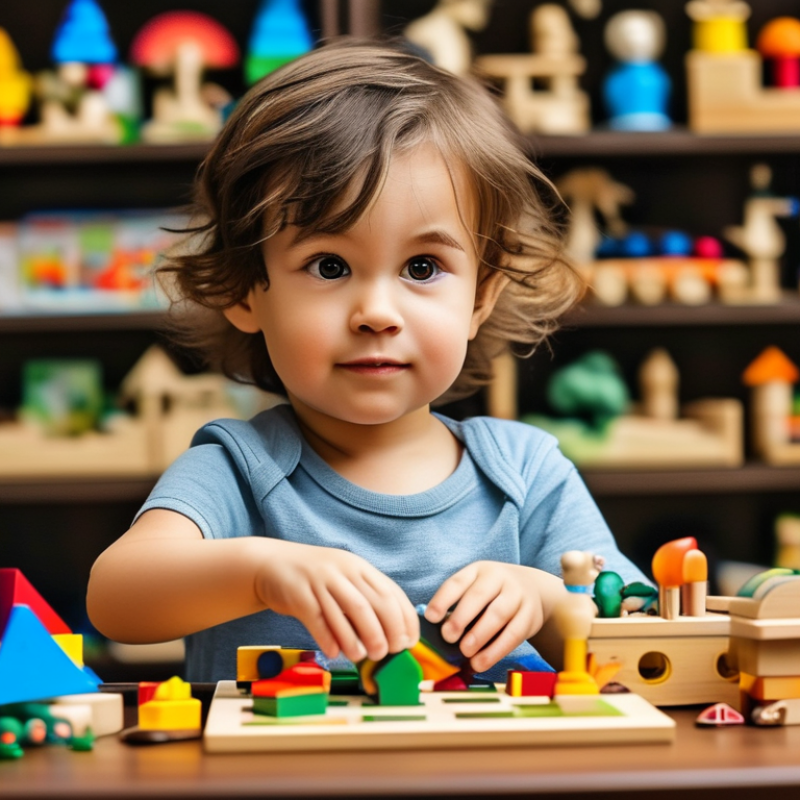
Early childhood development plays a critical role in shaping a child's future. The best age range for educational toys typically spans from 0 to 5 years. During these formative years, children build essential cognitive, social, and emotional skills. According to the American Academy of Pediatrics, engaging with age-appropriate toys can enhance learning and development.
Infants aged 0-12 months benefit from toys that stimulate their senses. Soft blocks and rattles can encourage fine motor skills. By 1-2 years, children become curious explorers. They need toys that promote problem-solving. Puzzles and stacking toys are excellent choices.
In the preschool years, 3-5 years, interactive games can foster collaboration and communication. These toys let children work together, sharing ideas and building teamwork skills.
Tips: When selecting a toy, consider its educational value. Look for toys that promote creativity and critical thinking. Rotating toys every few weeks helps maintain interest and engagement. Finally, always supervise playtime to ensure safety. Regularly reflecting on your child's growth can guide future toy choices. Every child is unique, and their interests may evolve. Adaptability is key to fostering a love for learning.
Choosing the right educational toys for children is crucial for their development. Research indicates that children aged 0-5 years are particularly responsive to learning through play. A report from the American Academy of Pediatrics emphasizes that interactive toys can enhance cognitive skills in early childhood. When selecting educational toys, consider the age-appropriateness, safety, and developmental benefits.
Look for toys that promote problem-solving and critical thinking. For younger children, choose toys that encourage sensory exploration. For older kids, think about toys that foster creativity, like building sets or art supplies. Engage with your child while they play. This interaction enhances the learning experience.
Tip: Always check for safety certifications. Toys should be age-appropriate to avoid choking hazards. Reflect on your child's interests; this will guide your selection. Opt for versatile toys that grow with your child, ensuring long-term use and continued learning.
Educational toys play a significant role in shaping cognitive and social skills in children. For instance, puzzles encourage problem-solving abilities. They require children to think critically and find solutions. This process enhances their logical reasoning and persistence. Socially, when kids work together to solve a puzzle, they learn teamwork. They understand the importance of communication in achieving a common goal.
Interactive toys also foster social skills. When children engage with others while playing, they practice sharing and taking turns. These experiences are vital in developing empathy. Role-playing toys allow children to explore different scenarios. They teach children about various social roles and relationships. Through imaginative play, children express their feelings and navigate social dynamics.
While the benefits are clear, choosing the right toys can be challenging. Parents may feel overwhelmed by options. Not every toy will suit every child’s needs. It's essential to consider individual interests and developmental stages. Observing how a child interacts with toys can guide purchases. This process invites reflection on what truly contributes to a child's learning.
In 2026, selecting educational toys for children involves understanding their developmental stages. Toddlers, typically aged 1 to 3, benefit from toys that promote sensory exploration. Soft blocks and textured animals help with motor skills. Kids in this age group love vibrant colors and sounds, making activities engaging.
For preschoolers aged 3 to 5, interactive toys become crucial. Puzzles and building sets encourage problem-solving and creativity. At this stage, children seek more complex challenges, and social play emerges. Board games that involve counting or basic math can enrich their learning experience.
As children transition to school age, roughly 6 to 8 years, educational toys should focus on enhancing academic skills. Science kits and art supplies foster curiosity and self-expression. However, parents should remain mindful of overstimulation. Children require guided play to fully benefit from these resources. Balancing structured learning with free play is essential for healthy development.
When selecting an educational toy for your child, start by considering their interests. Children engage more with toys that resonate with their passions. Look for toys that challenge their creativity or stimulate curiosity. Remember that not every toy suits every child. Some may prefer hands-on activities, while others thrive on problem-solving tasks.
It's also crucial to assess the developmental stage of your child. Educational toys should match their age and skill level. For younger children, focus on toys that enhance fine motor skills. For older kids, consider those that promote critical thinking. However, be aware that even age-appropriate toys can fall flat if they don't captivate your child's imagination.
Lastly, observe how your child interacts with their toys. Some may initially ignore a seemingly perfect educational toy. Reflection is essential here. What appears beneficial on the surface may not engage your child. Keep an open mind and be ready to adapt to their evolving interests. This way, toy selection becomes less about trends and more about meaningful learning experiences.
: The best age range for educational toys is from 0 to 5 years old.
Engaging with educational toys enhances cognitive, social, and emotional skills in young children.
Infants benefit from toys that stimulate senses, such as soft blocks and rattles for fine motor skills.
Look for toys that promote problem-solving, like puzzles and stacking toys, as toddlers are curious explorers.
Interactive toys foster collaboration, communication, and teamwork skills, essential for social development.
Regularly reflecting on your child's preferences helps guide future toy choices and ensures meaningful play experiences.
Not every toy suits every child; individual interests and developmental stages matter significantly.
Observe their interaction; it’s possible that the toy may not engage them as expected.
Rotating toys every few weeks can keep playtime fresh and engaging for children.
Parents should consider their child's interests and skills while selecting toys that challenge and stimulate learning.
In 2026, understanding what age is best for educational toys is crucial for supporting early childhood development. The optimal age range for introducing these toys plays a significant role in enhancing cognitive and social skills. Factors such as the child's interests, developmental milestones, and safety should be prioritized when selecting educational toys, ensuring they align with the child's learning needs.
Additionally, trending educational toys tailored for various age groups highlight how toy design evolves to engage children's learning effectively. Parental guidance remains essential in making informed choices, as it helps nurture a child's growth through play. By considering these aspects, caregivers can foster an enriching environment that promotes both fun and learning.