Best Toys for Quiet Learning Time Tips for Parents?

Time:2026-03-16 Author:Sophia
0%

Finding the right toys can transform quiet learning time into a delightful experience. Parents often ask, "What toys are best for quiet learning time?" Choosing the right toys is crucial. They can promote focus and creativity. Consider options that stimulate imagination without excessive noise.

Soft building blocks, puzzles, and art supplies are excellent choices. They engage children and encourage independent play. Quiet toys allow children to explore at their own pace. They promote essential skills like problem-solving and fine motor development. However, not every toy will suit every child. Some might prefer more interactive elements. A toy that works for one child may not captivate another.

Reflection is key when selecting toys. Observe your child's interests and learning style. There might be some trial and error involved. Embrace the process. Creating a nurturing environment for quiet learning is a shared journey for both parents and children.
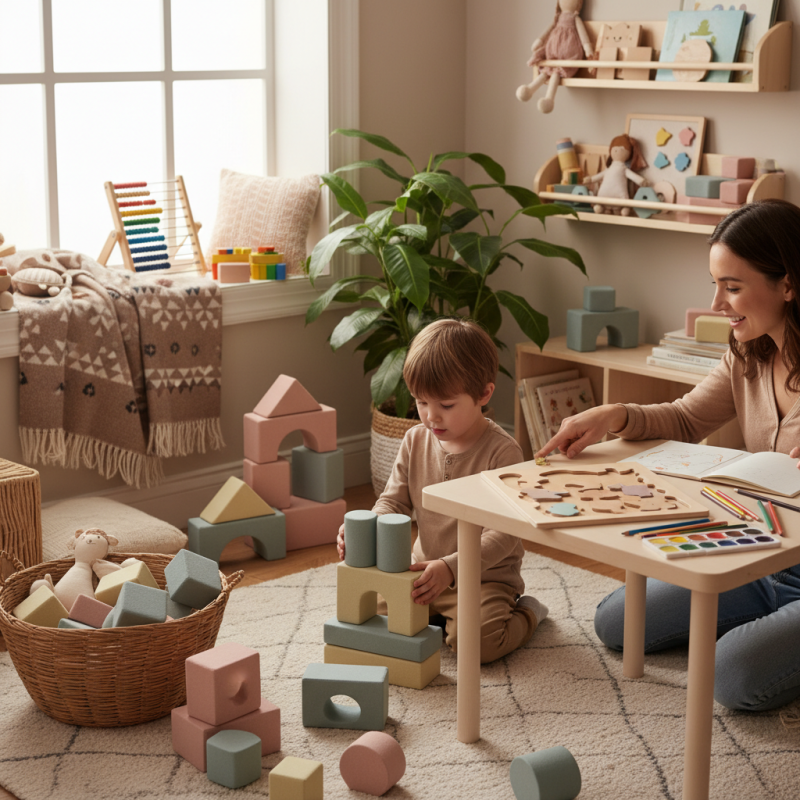
Best Toys for Quiet Learning Time Tips for Parents?

Best Toys for Encouraging Focused Learning in Early Childhood

When it comes to focused learning in early childhood, the right toys can make a difference. Studies show that play is essential for cognitive development. For instance, a report by the American Academy of Pediatrics highlights that engaging in playful activities can enhance children's attention spans and creativity. Quiet learning toys promote concentration and critical thinking.

**Tips for Parents:** Choose toys that require problem-solving skills. Puzzles and building blocks are excellent. They help children focus while also encouraging cognitive challenges. Also, consider toys that require minimal instructions. This fosters independence and allows kids to explore freely.

Sensory toys can also play a vital role. Research indicates that tactile experiences boost brain activity. Simple items like texture books or water beads provide rich opportunities for quiet exploration. However, not every child responds to the same toys. Observe their interests and preferences. This personalization can lead to better engagement and focus.

Lastly, keep the learning environment tidy and calming. A cluttered space can distract from focused play. Parents might reflect on how their own involvement shapes their child's learning experience. Sometimes, stepping back allows children to thrive independently.

Best Toys for Quiet Learning Time Tips for Parents

Toy Type Description Educational Benefits Recommended Age
Puzzle Sets Colorful wooden or cardboard puzzles that challenge problem-solving skills. Enhances cognitive skills, fine motor skills, and hand-eye coordination. 3+
Building Blocks Various shapes and sizes for open-ended construction play. Encourages creativity, spatial awareness, and engineering thinking. 2+
Art Supplies Crayons, markers, paints, and coloring books for creative expression. Fosters creativity, fine motor skills, and self-expression. 2+
Quiet Books Fabric books with interactive elements for sensory learning. Enhances language skills, sensory development, and fine motor skills. 0-4
Mindfulness Games Games focusing on breathing, emotion recognition, and relaxation. Promotes emotional regulation and mindfulness practices. 4+

Understanding the Importance of Quiet Play in Child Development

Quiet play is crucial in child development. Research shows that children engaged in quiet, independent play demonstrate better focus and problem-solving skills. According to a study by the American Academy of Pediatrics, children need at least 30 minutes of unstructured playtime daily. However, many children today miss this critical opportunity for reflective play.

Quiet learning time fosters creativity. When children explore alone, they build imaginative worlds. These moments allow them to process their thoughts and feelings. A report from the National Institute for Play indicates that unstructured play boosts brain development, leading to improved social and cognitive skills. Parents should encourage environments where quiet play is easy and accessible.

Quiet play can also be a challenge. Many parents worry about their child being alone. It’s natural to want to supervise closely. However, stepping back occasionally can help children grow. Observing from a distance gives them space to navigate their exploration. Each child will respond differently, and that’s okay. Embracing this diversity in learning styles is essential for fostering individual growth.

Top Educational Toy Categories for Fostering Quiet Learning

Creating a peaceful learning environment at home is essential. Educational toys can be a great asset. They not only engage children but also promote independent play. Building blocks, for example, encourage creativity and problem-solving. Children can construct their world quietly, focusing on their task.

Puzzles provide another excellent option. Solving them improves critical thinking skills. The satisfaction of completing a puzzle is rewarding. It keeps children busy and helps refine their motor skills. Art supplies, such as coloring books and crayons, also foster calm moments. Children express themselves through colors and designs.

Yet, finding the right toys can be tricky. Some kids may lose interest quickly. It’s vital to observe what engages your child most. A mix of toys often works best. Too many options can be overwhelming as well. Reflecting on their preferences can guide future choices. Always remember, less can be more in a quiet learning space.

Criteria for Selecting the Right Quiet Learning Toys

Selecting the right quiet learning toys can enhance your child's focus and creativity. Look for toys that encourage independent play. Puzzles and building sets are great examples. They engage the mind and keep children occupied for longer periods. Toys should have a tactile element. This can involve textures or pieces that fit together snugly.

Consider the age and developmental stage of your child. Certain toys might be too advanced or too simple, which can lead to frustration. Aim for toys that challenge without overwhelming. Variety is important. A mix of educational and imaginative play can keep children intrigued.

When introducing quiet learning toys, create a dedicated space. This allows children to unwind and explore at their own pace. Soft lighting and a cozy setting can make a difference. Observe your child’s interests closely. Sometimes, you might find they prefer one type of toy over others. This is a great opportunity for reflection and adjustment. Make changes if something isn’t working. Ultimately, you want to foster a love for learning and quiet exploration.

Expert Recommendations on Quiet Time Play Activities for Kids

Quiet time is essential for children, helping them relax and recharge. It provides opportunities for independent play, which fosters creativity and problem-solving skills. Research from the American Academy of Pediatrics shows that unstructured play is crucial for healthy child development. During these quiet moments, kids can engage in stimulating activities that do not overwhelm their senses.

One simple tip is to offer building blocks or puzzles. These toys encourage critical thinking while allowing children to create and explore at their own pace. When a child builds a tower with blocks, they learn about balance and gravity. Puzzles, on the other hand, enhance cognitive skills and improve fine motor coordination.

Another idea is to create a cozy reading nook. A soft blanket, a few pillows, and a selection of age-appropriate books can transform any space. Encourage your kids to choose a book and let their imagination run wild. Reading not only nurtures language skills but also cultivates empathy as children learn about different characters and scenarios.

Yet, it's important to acknowledge that not every child will engage in quiet activities immediately. Some may resist the idea of solo play. It may take time and patience for them to find activities that hold their interest. Authentic play is about exploring, experimenting, and often failing. Embrace the messiness of this process.

Best Toys for Quiet Learning Time

FAQS

: Why are toys important for early childhood learning?

: Toys play a crucial role in cognitive development and enhance attention spans. They promote creativity and focus.

What types of toys help with problem-solving skills?

Puzzles and building blocks are great. They encourage critical thinking and allow children to explore independently.

How do sensory toys benefit children's learning?

Sensory toys, like texture books, boost brain activity. They offer tactile experiences that promote quiet exploration.

What should parents consider when choosing toys?

Parents should observe their child's interests. Personalizing toy choices enhances engagement and helps focus.

How can a tidy environment impact focused play?

A clean, calm space minimizes distractions. It supports better concentration and enhances the learning experience.

What are some recommendations for quiet time activities?

Building blocks, puzzles, and cozy reading nooks are excellent options. They encourage creativity and independent play.

What challenges might kids face with quiet activities?

Some kids may resist solo play initially. It takes time for them to find engaging activities that capture their interest.

Why is embracing messiness important in play?

Authentic play includes exploring and experimenting. Accepting failures can enhance learning and foster resilience in children.

How does reading benefit children during quiet time?

Reading cultivates language skills and empathy. It allows kids to explore different characters and scenarios creatively.

How should parents approach their involvement in play?

Parents should sometimes step back. Allowing children space fosters independence and helps them thrive in their learning.

Conclusion

Quiet learning time is essential for early childhood development, providing children with opportunities to focus and engage in self-directed play. Understanding the importance of quiet play, parents can choose toys that foster concentration and cognitive skills. What toys are best for quiet learning time? The best options include educational games, puzzles, building sets, and art supplies that encourage creativity and critical thinking without overstimulation.

When selecting the right quiet learning toys, parents should consider factors such as age appropriateness, quality, and the toy's potential to spark imagination. Engaging in expert-recommended activities during quiet time, such as storytelling, coloring, or simple science experiments, can further enhance children's learning experiences. By prioritizing these thoughtful toys and activities, parents can create a nurturing environment that supports focused learning and deeper cognitive development in their children.

Sophia

Sophia

Sophia is a dedicated marketing professional with an exceptional depth of knowledge about her company's products and services. With a keen understanding of market trends and customer needs, she crafts insightful blog posts that not only inform but also engage readers, enriching the company’s online......