Choosing the right toys is essential for children's development. Educational toys can play a key role in this process. They help enhance cognitive skills, foster creativity, and encourage social interaction. However, parents often wonder how to choose educational toys for kids.
It's not an easy task. Many toys on the market claim to be educational, but not all are effective. Parents must consider their child's interests and developmental stage. Some toys stimulate imaginative play, while others focus on problem-solving activities. Observing a child’s play style can provide insights. A toy may seem appealing, yet it might not hold a child's attention.
Quality matters too. Toys should be durable and safe. Price does not always reflect quality. A less expensive option might encourage creativity just as much as a high-end product. Parents can feel overwhelmed when faced with numerous choices. Reflecting on the child's needs is key. Ultimately, the right educational toys can significantly impact growth and learning.
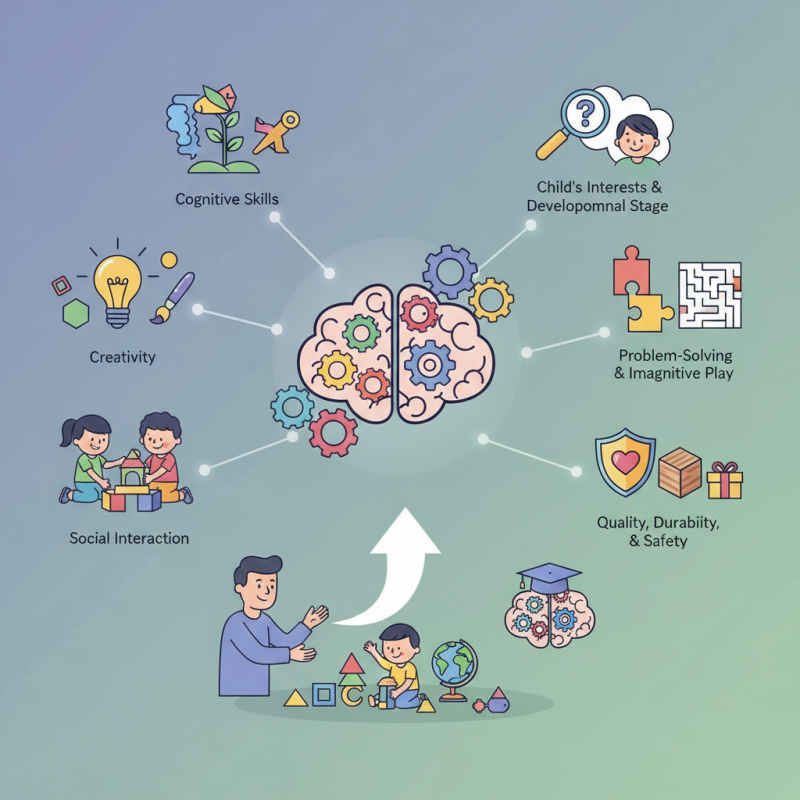
Educational toys play a vital role in cognitive development for children. These toys encourage problem-solving and critical thinking skills. According to a report by the American Academy of Pediatrics, kids engaged with educational toys show improved language skills and creativity. Studies indicate that 85% of brain growth occurs before age five. Thus, early exposure to stimulating toys can positively impact development.
Interactive toys, such as puzzles and building blocks, foster hand-eye coordination. Children learn to sit, stand, and manipulate objects, enhancing their motor skills. Research shows that active play boosts academic readiness. A survey revealed that 70% of parents noticed improved focus and attention in kids using educational toys.
However, not all toys are created equal. Some educational toys may lack the features necessary for genuine learning. Parents should critically assess what constitutes a truly educational experience. A balance between fun and learning is essential. Not every toy labeled "educational" delivers results. So, choosing wisely can greatly affect a child's growth.
Play-based learning has a profound impact on early childhood education outcomes. Studies show that children learn best when they engage in play. According to the National Association for the Education of Young Children, 70% of early educators emphasize the importance of play in learning. This approach fosters creativity and critical thinking skills. Kids who learn through play exhibit improved problem-solving abilities.
Moreover, research indicates that play promotes social skills. A study from the American Journal of Play found that children involved in group play develop better cooperation. They learn to negotiate and share. These interactions are crucial for emotional development. Yet, some parents may overlook the value of unstructured playtime. They often prioritize academic skills over play.
While structured learning has its place, it should not dominate early education. Play provides a unique avenue for holistic development. Children need this balance. A focus solely on academics can limit their growth. Educators must advocate for play-based learning strategies. These strategies nurture well-rounded, capable individuals for the future.
Choosing the right educational toys can significantly enhance various aspects of children's development. This chart illustrates the impact level of educational toys on critical developmental areas such as cognitive skills, social skills, motor skills, language development, and creativity.
When selecting educational toys for children, parents should consider several key features. Research from the American Academy of Pediatrics emphasizes that toys promoting creativity enhance cognitive development. Look for toys that spark imagination and problem-solving skills. Blocks, puzzles, and art supplies are great options.
Tips: Choose toys that encourage open-ended play. Open-ended toys allow children to create their narratives. This fosters critical thinking and decision-making.
Another crucial feature is adaptability. Effective educational toys can grow with your child. They should be engaging at various developmental stages. For instance, a basic stacking toy can become a more complex challenge as the child ages. This adaptability keeps children interested longer.
Tip: Assess toys for their educational value. Does the toy teach a skill? Does it prompt questions? Choose toys that nudge children towards curiosity and exploration but avoid those that simply entertain with no learning potential.
Balancing fun and learning can be tricky. Some toys may be visually appealing but lack substance. Parents must think critically about what truly supports their child’s growth while being mindful of their interests.
Choosing educational toys for kids is crucial for their development. Statistics show that children engaged with educational toys demonstrate better cognitive skills. Research indicates that 85% of kids who play with such toys show improved problem-solving abilities. This involvement enhances their creativity and critical thinking.
To maximize the benefits of educational toys, parents should follow certain tips. Choose toys that align with your child's interests. This will keep them engaged longer. Look for toys that promote interaction. Toys that allow kids to play together foster social skills.
It’s essential to reflect on your child's playtime. Are they truly engaged? Sometimes toys sit untouched. When selecting a toy, consider its ability to encourage exploration. A good toy should challenge children but not frustrate them. Balance is key in making the right choice.
Choosing educational toys for kids plays a crucial role in their development. These toys can greatly enhance social and emotional skills. When children engage with interactive toys, they learn to share and cooperate. They practice empathy and communication with peers. This helps them feel connected.
When selecting toys, consider the child's interests. Look for options that encourage problem-solving. Toys that require teamwork can boost social interactions. Games that involve turn-taking teach patience. These experiences help children navigate their emotions effectively.
Tips: Observe how children play. This reveals their social preferences. Choose toys that challenge them yet provide a sense of security. Some toys may seem too advanced or too simple. Reflect on whether they truly meet your child’s needs. Aim for balance in difficulty to keep their interest alive.
| Dimension | Description | Long-Term Benefits |
|---|---|---|
| Cognitive Skills | Encourages problem-solving and critical thinking through interactive play. | Improved academic performance and enhanced analytical skills. |
| Social Skills | Fosters teamwork and communication through group play activities. | Stronger relationships and better conflict resolution abilities. |
| Emotional Skills | Promotes self-awareness and emotional regulation during play. | Increased emotional intelligence and resilience in challenging situations. |
| Creativity | Encourages imaginative play and artistic expression. | Enhanced creative thinking and innovation in later life. |
| Motor Skills | Develops fine and gross motor skills through hands-on activities. | Improved physical coordination and skillfulness. |
: Educational toys enhance problem-solving and critical thinking skills. They boost language skills and creativity in young children.
Interactive toys like puzzles help kids develop hand-eye coordination. These toys encourage children to manipulate objects and enhance motor skills.
Parents should look for toys that promote creativity and problem-solving. Assess the toy's ability to engage children at different developmental stages.
Adaptable toys grow with children. They maintain interest by offering increasingly complex challenges as the child develops.
Engaging with interactive toys teaches children to share and cooperate. These interactions help them develop empathy and communication skills.
Not all labeled educational toys provide real learning. Some may just entertain without contributing to cognitive or emotional growth.
Consider if the toy teaches a skill or prompts questions. Choose toys that stimulate curiosity and exploration.
Finding toys that are both enjoyable and educational can be challenging. Parents must carefully evaluate what supports their child's development.
Observing play reveals children’s social preferences. This helps in choosing toys that challenge them while fostering a sense of security.
Some toys may be too simple or advanced for a child. Reflecting on challenges ensures they meet developmental needs effectively.
The article "Why Choosing Educational Toys for Kids Matters for Their Growth" emphasizes the crucial role that educational toys play in children's cognitive development. These toys facilitate play-based learning, which has been shown to significantly improve early childhood education outcomes. Parents are provided with a guide on how to choose educational toys for kids by focusing on key features that promote engagement and skill-building. Furthermore, statistics highlight the importance of child engagement with these toys, showcasing their effectiveness in fostering learning.
In addition to cognitive benefits, educational toys contribute to the long-term development of social and emotional skills, laying a foundation for healthy interpersonal relationships. By making informed choices, parents can ensure that the toys they select not only entertain but also enrich their children's growth and development during these formative years.