GEEGO Toys
Choosing the right educational toys for children is a crucial task for parents. These toys play a significant role in fostering creativity, critical thinking, and problem-solving skills. However, many parents wonder, "How to choose educational toys for kids?" It can be overwhelming given the variety available in the market. Factors such as age, interests, and developmental benefits should guide your decisions.
Look for toys that ignite curiosity and promote exploration. For instance, building blocks encourage structural thinking, while art supplies can unleash creativity. Pay attention to quality, ensuring toys are safe and durable. Remember, not all popular toys are educational. Some may simply entertain without teaching essential skills. Reflecting on past choices can help refine your current selection.
Ultimately, the right educational toy should resonate with your child's unique needs and interests. Test options, observe engagement, and be open to adjusting your approach. This journey of discovering what works best is as important as the toys themselves.
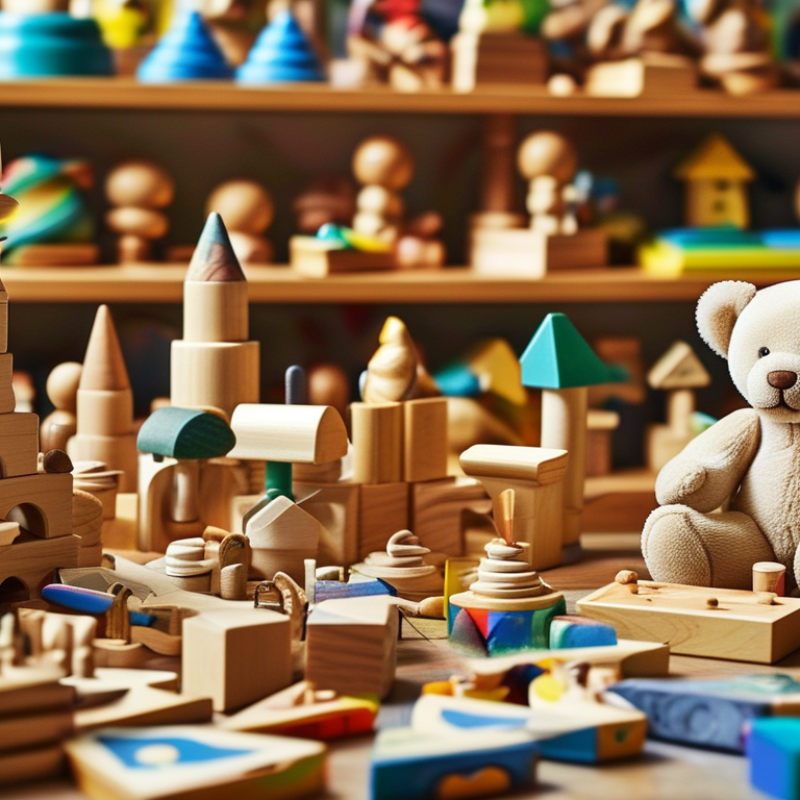
Understanding the educational needs of your child is vital for selecting the right toys. Research shows that play is not just fun; it is essential for learning. According to a report from the American Academy of Pediatrics, 85% of brain development occurs before age five. Therefore, early childhood is a critical time for cognitive growth.
When choosing educational toys, consider your child's interests and developmental stage. A study by the National Association for the Education of Young Children highlights that children engaged in open-ended play demonstrate better problem-solving skills. This type of play encourages creativity and fosters independent thinking. Tailoring your toy choice to these aspects can enhance learning experiences in a meaningful way.
It's important to remember that not all toys labeled as educational will meet your child's needs. Some toys can create frustration instead of fostering interest. For instance, complex toys might overwhelm younger children. Regularly reassess your child’s engagement with their toys. Reflect on what sparks their curiosity and provides enjoyment. By staying attuned to their evolving interests, you can make more informed decisions that support their learning journey.
When selecting educational toys, understanding the types available is crucial. Educational toys can be broadly categorized into several key types: STEM, creative arts, language development, and social interaction toys. According to the National Association for the Education of Young Children, children learn best through hands-on experiences. STEM toys—like building sets—engage problem-solving skills and enhance critical thinking.
Creative arts toys inspire imagination and encourage self-expression. Art supplies, musical instruments, and construction kits fall under this category. Research from the American Academy of Pediatrics suggests that creative play can significantly improve cognitive flexibility. Language development toys, such as books and word games, foster early literacy skills. Studies indicate that children who engage in reading at an early age score higher in language proficiency.
Social interaction toys promote teamwork and communication. Board games and role-playing sets can enhance social skills, as children learn to cooperate and negotiate. While educational toys provide numerous benefits, it's important to reflect on the balance between screen time and hands-on play. Experts recommend limiting excessive tech-based toys, as too much screen time can hinder imagination. Finding the right mix can lead to a more effective learning experience for children.
When choosing educational toys, age appropriateness is vital. Toys should match a child's developmental stage. According to the American Academy of Pediatrics, toys designed for specific age groups enhance learning and ensure safety. For example,
infants benefit from colorful, soft toys that stimulate sensory development.
Toddlers thrive with building blocks that refine motor skills.
An analysis by the Toy Association reveals that 85% of parents focus on age recommendations while shopping. However, many overlook their child's unique interests. For instance, a four-year-old may enjoy complex puzzles instead of simple ones designed for their age.
This misalignment can reduce engagement and learning effectiveness.
Moreover, age-appropriate toys should also challenge children. Too often, toys are either too simple or overly complicated. Finding the right balance can spark curiosity and promote problem-solving skills.
Parents must observe their child’s interactions with toys. Monitoring playtime helps in understanding what resonates most, fostering a more enriching environment.
When choosing educational toys, prioritizing quality and safety is essential. The ASTM International (American Society for Testing and Materials) sets rigorous safety standards. These standards help ensure that toys are safe for children to use. In fact, toys that comply with these guidelines have a significantly lower risk of hazards. A report from the Toy Industry Association reveals that 92% of recalled toys fail to meet these safety standards.
It's crucial to look for certifications like the CE mark in Europe or the American Society for Testing and Materials (ASTM) certification in the U.S. Toys without these marks could pose risks. Parents often overlook this aspect in the buying process.
Tips: Always check labels before purchasing. If a toy is labeled as "non-toxic," it should contain no harmful chemicals. Also, verify age recommendations to match the developmental stage of your child.
Safety is not just about materials. Design flaws can lead to choking hazards. Items with small parts should never be given to young children. According to the Consumer Product Safety Commission, nearly 200,000 children are treated for toy-related injuries annually. Regularly reviewing safety updates on toys is a proactive way to keep your children safe while they learn and play.
Choosing educational toys can be overwhelming. Parents often want toys that inspire creativity and learning. Engaging children through play is crucial for their development. Educational toys should stimulate curiosity and promote hands-on experiences.
Look for toys that encourage problem-solving skills. Puzzles and building blocks are excellent choices. They invite children to think critically and explore their environment. The joy of figuring something out can build confidence. Yet, balance is important; too many complex toys may frustrate a child.
Consider engaging your child in the selection process. Ask them what they enjoy. This not only helps in choosing suitable toys but also increases their interest in learning. Encourage open-ended play. Not all educational toys need to be structured. Sometimes, a simple box can spark creativity. Reflect on your child’s reactions. What excites them? What do they abandon quickly? Tailoring playtime to these insights fosters a richer learning environment.
: The main types include STEM, creative arts, language development, and social interaction toys.
STEM toys enhance problem-solving skills and improve critical thinking through hands-on experiences.
Creative arts toys inspire imagination and improve cognitive flexibility through activities like drawing and music.
Language development toys help foster early literacy skills, which can lead to higher language proficiency.
Social interaction toys encourage teamwork, communication, and teach children to cooperate and negotiate.
Parents should check for safety certifications like CE marks and ASTM compliance to ensure toy safety.
Yes, toys can have design flaws or small parts that create choking hazards for young children.
Always read labels for non-toxic certifications and verify age recommendations for toys.
Excessive screen time from tech-based toys may hinder a child’s imagination and creative play.
Regularly review safety updates and recalls to protect children from toy-related injuries.
When considering how to choose educational toys for kids, it's essential to start by identifying your child's specific educational needs. This involves understanding what skills or knowledge areas require development, which can guide you towards selecting toys that promote learning effectively. Next, familiarize yourself with the different types of educational toys available, ranging from STEM-based activities to creative arts and language games, ensuring they match your child's interests.
Additionally, age appropriateness is a crucial factor in toy selection. Toys should be suitable for your child's developmental stage to maximize engagement and learning opportunities. Lastly, always assess the quality and safety standards of toys to ensure a safe play environment. Encouraging engagement and learning through play not only supports your child's growth but also makes learning a fun and dynamic experience. By following these guidelines, you can confidently choose the best educational toys for your kids.
