How to Choose Toys That Help Kids Focus Better?

Time:2026-05-22 Author:Amelia
0%

Choosing the right toys for children can significantly impact their ability to focus. Why do some toys help kids focus better? Dr. Emily Chen, a child psychologist, notes, “Toys that engage kids can enhance their concentration and cognitive skills.” The right toys do not just entertain; they train attention and encourage immersive play.

When selecting toys, consider those that stimulate curiosity and require problem-solving. Building blocks, puzzles, and art supplies often engage children and encourage focused play. They create opportunities for kids to dive deep into their interests. Additionally, toys that promote mindfulness, like stress balls or fidget spinners, provide tactile experiences that can enhance concentration.

However, not every toy is beneficial. Some shiny, noisy toys can easily distract rather than engage. Parents must observe their children’s reactions and adapt accordingly. Reflecting on what captures their interest is vital. Understanding why some toys help kids focus better can empower parents to make informed choices.
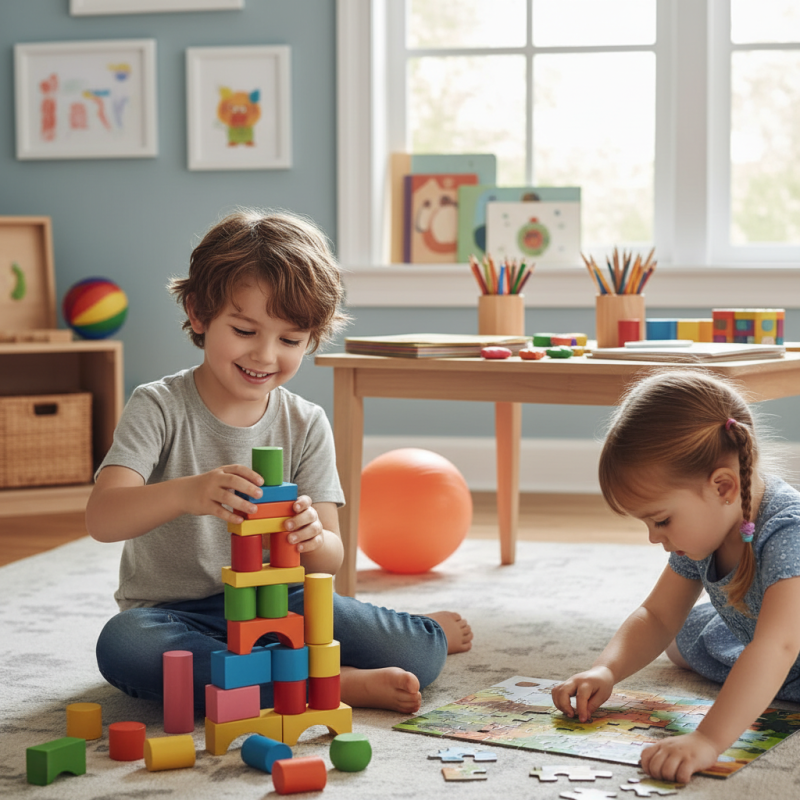
How to Choose Toys That Help Kids Focus Better?

Understanding the Importance of Play in Cognitive Development

Play is essential for cognitive development in children. It stimulates their curiosity and enhances problem-solving skills. Research shows that interactive play can improve focus. According to the American Academy of Pediatrics, play helps develop crucial cognitive abilities. These include memory, attention, and self-regulation. A child's ability to engage in various forms of play can dictate their level of concentration in other areas.

Choosing the right toys can make a difference. Toys that encourage imaginative play or challenge cognitive skills bolster attention spans. Simple building blocks or puzzles engage children to think critically. They learn to manipulate shapes and solve problems. However, not all toys have this positive effect. Some overly simplistic or overly complex toys might frustrate children instead of helping them grow.

It's important to reflect on the types of play children engage in. Free play allows kids to make choices and navigate social interactions. Yet, structured play can provide guidance and support in developing specific skills. Balancing both types can enhance overall cognitive development. Not every toy will contribute equally to focus or learning. Parents and caregivers should observe and adapt to their child’s preferences and needs.

Types of Toys That Enhance Focus and Attention Span in Children

Choosing toys that enhance focus and attention span in children involves understanding various types of engaging toys. Sensory toys, such as fidget spinners or stress balls, can provide tactile stimulation. These items often help children with attention disorders. They allow for small bursts of movement, aiding concentration on tasks at hand.

Building toys are another great option. Blocks, LEGOs, and construction kits require children to plan and organize. They promote problem-solving skills and encourage creative thinking. When kids immerse themselves in these activities, their focus naturally improves. The hands-on experience keeps their minds engaged.

Tips: Always observe your child's interests. Select toys that resonate with them. Encourage playtime with peers. Social interactions also support attention skills. Limit distractions by creating a dedicated play area. A clutter-free space can enhance focus, making it easier for children to concentrate on their play.

Types of Toys That Enhance Focus and Attention Span in Children

Research-Backed Benefits of Sensory and Educational Toys

Choosing the right toys for children can significantly enhance their focus. Sensory and educational toys are particularly beneficial. Research shows that these toys stimulate cognitive development and improve concentration. Children engaged with hands-on toys often show better attention spans. They learn while playing, which keeps them interested.

When selecting toys, look for those that engage multiple senses. Textured blocks or sound-producing toys can capture a child's attention better than simple items. Consider interactive puzzles that challenge their thinking. These toys promote problem-solving skills and maintain a child’s interest longer.

Tips: Always observe how your child interacts with a toy. Does it hold their interest for a while? If not, it may not be the right fit. Choose toys that can grow with your child. Many educational toys offer various levels of difficulty. This ensures the toy remains engaging over time. Remember, each child's preferences are unique, and reflecting on their play habits is essential.

Guidelines for Selecting Age-Appropriate Focus-Enhancing Toys

Choosing age-appropriate toys can greatly enhance a child's ability to focus. Young children thrive on creativity, so opt for toys that promote imaginative play. Building blocks, for example, encourage concentration as kids manipulate pieces to create structures. Simple puzzles can also help, as they require children to solve problems and remain engaged. Observe how your child interacts with these toys.

Consider the age recommendations on packaging. Toys suited to a child’s developmental stage provide challenges without overwhelming them. A three-year-old may benefit from brightly colored sorting toys, while older children might enjoy more complex games that require strategic thinking. Always keep an eye on your child's interest and how long they can stay focused.

Not every toy will captivate every child. Some might struggle with tasks, leading to frustration. It’s essential to reflect on their reactions. If a toy doesn't hold their focus, consider swapping it out for something else. Therefore, creating an environment filled with varied options is crucial. Mixing tactile, auditory, and visual elements can stimulate and sustain attention better.

Evaluating the Impact of Toy Design on Children’s Engagement and Focus

Toy design plays a crucial role in how children engage and focus. A well-designed toy can capture a child's attention and maintain it. This creates an environment where kids can learn and explore. Bright colors and interesting shapes stimulate curiosity. Toys that encourage hands-on play are beneficial for focus. However, too many bells and whistles can be overwhelming. Simplicity often works better.

Choosing the right toys requires some thought. Look for toys that promote problem-solving and creativity. Building blocks, puzzles, and art supplies are excellent choices. They challenge kids without overstimulating them. Parents should also observe how children react to different toys. Some might thrive with interactive games, while others may prefer solitary activities. Finding the right balance is key.

Tips: Select toys that fit your child's interests. This enhances motivation and focus. Encourage open-ended play with versatile toys. Allow time for kids to explore these toys freely. Remember, it is a process. Every child is unique, and it may take time to discover what works best. Keep an open mind and be willing to adjust choices as needed.

How to Choose Toys That Help Kids Focus Better?

Toy Type Engagement Level (1-5) Focus Duration (minutes) Recommended Age Cognitive Skill Developed
Building Blocks 5 20 3+ Spatial Awareness
Puzzle Games 4 15 5+ Problem Solving
Arts & Crafts Kits 4 30 4+ Creativity
Board Games 5 25 6+ Strategic Thinking
STEM Kits 5 40 8+ Scientific Inquiry

FAQS

: Why is play important for cognitive development?

: Play stimulates curiosity and enhances problem-solving skills. It helps develop memory, attention, and self-regulation in children.

What types of toys are best for enhancing focus?

Toys that encourage imaginative play or challenge cognitive skills are effective. Building blocks and puzzles are good examples.

How does free play differ from structured play?

Free play allows kids to make choices. Structured play provides guidance to develop specific skills. Balancing both is key.

What are sensory toys, and why are they beneficial?

Sensory toys engage multiple senses and improve concentration. They stimulate cognitive development through hands-on interaction.

How do I know if a toy is right for my child?

Observe your child's interest. If a toy doesn't hold their attention, it may not be suitable for them.

Should I consider age recommendations on toys?

Yes, age recommendations help ensure toys challenge children without overwhelming them. They align with developmental stages.

What happens if my child struggles with a toy?

If a toy frustrates your child, reflect on their reactions. Consider swapping it for something more engaging.

How can I create a stimulating play environment?

Provide varied options with tactile, auditory, and visual elements. This mix can stimulate and maintain children’s attention.

Do all children respond the same way to toys?

No, each child has unique preferences. It's essential to adapt choices based on their individual interactions and interests.

Can toys grow with my child?

Yes, many educational toys offer levels of difficulty. Choosing these ensures they remain engaging as children develop.

Conclusion

Choosing the right toys can significantly enhance a child's ability to focus, leading to improved cognitive development. Understanding the importance of play reveals that certain types of toys—especially sensory and educational ones—are designed to engage children's attention and boost their concentration. Research shows that these toys not only aid in developing critical thinking skills but also help extend attention spans.

When considering why do some toys help kids focus better, it is essential to evaluate their design and the ways they encourage active participation. Parents should prioritize age-appropriate selections that align with developmental stages to ensure maximum engagement. By following guidelines on how to choose toys that enhance focus, caregivers can make informed decisions that support their children’s growth and learning.

Amelia

Amelia

Amelia is a seasoned marketing professional with a wealth of expertise in our company’s core offerings. With an unwavering passion for driving growth and innovation, she plays a pivotal role in shaping our marketing strategies and enhancing brand visibility. A key aspect of her responsibilities......