10 Tips to Encourage Kids to Use Learning Toys Effectively?

Time:2026-06-10 Author:Henry
0%

Learning toys play a vital role in children’s development. They stimulate curiosity and enhance problem-solving skills. However, parents often wonder how to encourage kids to use learning toys effectively. It’s not just about providing toys but engaging children in meaningful ways.

Creating an inviting environment can spark a child’s interest. Showcase toys prominently and organize play sessions. Use playful language that resonates with them. Integration of learning toys into daily routines can also be beneficial. Simple tasks or challenges can make the toys feel relevant to their lives.

Despite these approaches, not every child may respond immediately. Some may seem indifferent or distracted. It’s essential to reflect on their interests. Each child is unique. Understanding their preferences can open doors to effective learning. Embracing this journey means recognizing that learning is not always a straight path. Sometimes, a little patience goes a long way.
10 Tips to Encourage Kids to Use Learning Toys Effectively?

Understand the Developmental Benefits of Learning Toys for Children

Learning toys play a crucial role in a child's early development. They promote cognitive skills through hands-on interaction. When kids engage with these toys, they explore concepts like cause and effect. This kind of play enhances problem-solving abilities. Moreover, such toys encourage creativity and self-expression. Children learn by trial and error. This process helps them develop resilience and a growth mindset.

The act of playing with educational toys enriches social skills as well. Kids often play in groups, fostering teamwork and communication. They learn to share, negotiate, and resolve conflicts during play. These lessons are vital for emotional intelligence. However, not every child will naturally gravitate toward these toys. Parents can encourage exploration by creating a supportive environment. Sometimes, kids need a gentle nudge. Allow them to choose their toys and explore without pressure.

It is essential to observe how children interact with their toys. Some might show frustration or disinterest. Reflecting on these moments can reveal a child's needs. This insight allows parents to introduce new, suitable options that align with their developmental stages. Emphasizing the journey of discovery is more important than the outcome itself. By focusing on their experience, children can truly benefit from the developmental advantages of learning toys.

Create an Engaging Learning Environment with Accessible Toys

Creating an engaging learning environment begins with accessible toys. Kids are naturally curious, and toys that promote learning can enhance this curiosity. Place these toys within easy reach. Low shelves or baskets encourage children to explore independently. This access sparks enthusiasm and allows for spontaneous discovery.

Variety is also key. Use different types of learning toys to cater to various interests. Consider colorful building blocks, puzzles, or art supplies. Each toy should stimulate different skills, like critical thinking or creativity. However, too much clutter can be overwhelming.

Rotating toys periodically helps maintain interest and manage the space effectively.

Observe how children interact with their toys. Are they focused or easily distracted? If they lose interest too quickly, rethink the options available. Reflect on your setup often. Sometimes, simpler is better. Allow kids the freedom to experiment. This exploration is where true learning occurs. By crafting an inviting space, you encourage persistent engagement with learning toys.

Encourage Parent-Child Interaction When Using Learning Toys

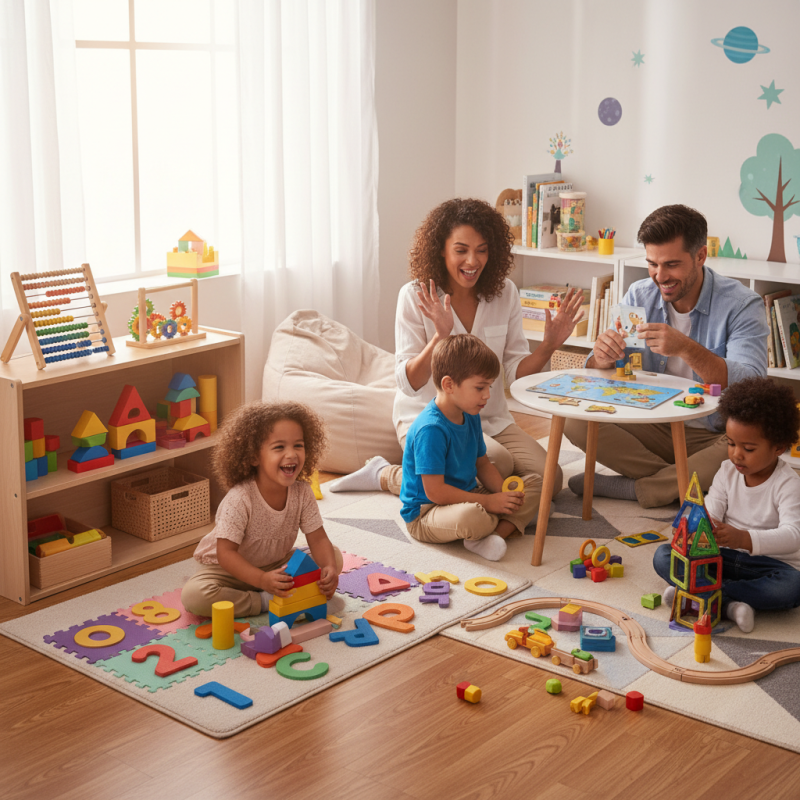
Parent-child interaction is crucial when using learning toys. Engaging together can enhance the educational experience. According to a report by the American Academy of Pediatrics, children learn better in interactive environments. They thrive on collaboration and communication. Here are some practical tips to foster this interaction.

Encourage playtime conversations. When a parent asks questions about a toy's function, kids feel valued. This moment fosters critical thinking. Sharing ideas about how a toy can be used promotes creativity. For example, let your child invent new games with their toys. This not only sparks imagination but also strengthens the bond between parent and child.

Effective play requires consistent involvement. Setting aside dedicated time for play can lead to better outcomes. A recent study by the National Association for the Education of Young Children indicates that regular parent-child play leads to improved cognitive skills. Consider reducing screen time during these moments. Provide a space where open-ended questions are welcome. Toys should not be simply tools but conversation starters. Allow your child to guide the play, making them the expert.

10 Tips to Encourage Kids to Use Learning Toys Effectively

This chart illustrates the importance level of various factors that encourage kids to use learning toys effectively. Each factor is rated on a scale of 1 to 10, with 10 being the highest level of importance. Understanding these factors can help parents enhance their child's learning experience.

Incorporate Learning Toys into Daily Routines for Consistent Use

Incorporating learning toys into daily routines can greatly enhance children's educational growth. Set specific times for play each day. This can be during breakfast or after school. Consistency helps children anticipate and look forward to these learning moments. Integrating toys into relaxation time can also deepen engagement. For example, designate a cozy corner where kids can explore toys calmly.

Engaging children with toys directly is key. Join them in play. Ask open-ended questions about their experience. This approach not only encourages interaction but also fosters critical thinking. When they build something, ask how it works. Kids enjoy sharing their thoughts and feel valued when you show interest. Reflecting together on their play can lead to unexpected insights.

Utilize learning toys as tools for routine tasks. For instance, use counting games during snack time to make math more relatable. Incorporate story-based toys during bedtime reading. Simple changes like these make learning a natural part of life. Kids thrive on routine, but it might be challenging at first. Being flexible and learning together is part of the journey. Adjust as needed, and celebrate small victories along the way.

10 Tips to Encourage Kids to Use Learning Toys Effectively

Tip Number Tip Description Benefits
1 Integrate toys into storytelling Enhances imagination and creativity
2 Establish a learning zone Improves focus and learning environment
3 Set a daily playtime schedule Encourages routine and consistency
4 Use toys for hands-on activities Facilitates experiential learning
5 Incorporate group play Enhances social skills and collaboration
6 Encourage creative use of toys Stimulates problem-solving skills
7 Create challenges with toys Builds resilience and critical thinking
8 Introduce themes associated with toys Enhances understanding of topics
9 Feedback and discussion Improves engagement and retention
10 Celebrate milestones and achievements Boosts motivation and confidence

Monitor and Assess Progress to Reinforce Learning Through Play

Monitoring and assessing a child's progress while using learning toys is crucial for effective learning. Research indicates that children learn best through play when their experiences are guided by adults. According to the American Academy of Pediatrics, children who engage in guided play show a 30% increase in cognitive skills compared to unguided learning. This suggests that active involvement by parents or caregivers can significantly enhance learning outcomes.

Regular check-ins can help identify what works and what doesn’t. For instance, if a child struggles with a specific toy, it might indicate that it’s too advanced or not engaging enough. Keeping a simple log of their interactions with various toys can provide insights into their preferences and areas needing improvement. In a study by the National Institute for Learning, children were found to retain 75% of what they engaged with, compared to 10% from passive learning. This highlights the need for dynamic engagement and the importance of adjusting approaches based on observed progress.

Creating a balance between monitoring and allowing free exploration is key. While structure is beneficial, too much oversight can stifle creativity. Encourage children to express what they enjoy and what excites them. Reflect on their feedback and adapt the learning environment accordingly. The objective is to foster a love for learning while ensuring effective use of toys as educational tools.

FAQS

: Why is parent-child interaction important with learning toys?

: Engaging together enhances the educational experience and fosters critical thinking.

How can parents encourage playtime conversations?

Ask questions about the toy's function to make children feel valued and spark creativity.

What impact does regular parent-child play have?

Consistent interaction leads to improved cognitive skills and bridges emotional connections.

How can parents monitor their child's progress with toys?

Regular check-ins help identify what works or doesn’t and guide future play choices.

Should parents lead all play?

No, children should also guide play to foster creativity and autonomy in learning.

How can a parent assess if a toy is too advanced?

If a child struggles to engage, the toy may not be suitable for their current skills.

What role does feedback play in using learning toys?

Reflecting on a child's preferences helps adapt the learning environment for better engagement.

How should parents balance structure and freedom in play?

Too much oversight can limit creativity; allow children to explore freely.

What can parents do if a child loses interest in a toy?

Consider adjusting the play to make it more engaging or aligned with the child's interests.

Why is dynamic engagement important in learning?

Active participation can lead to significantly better retention of information compared to passive learning.

Conclusion

To effectively encourage kids to use learning toys, it is essential to understand the developmental benefits these toys offer. They not only foster cognitive skills but also promote creativity and problem-solving abilities in children. Creating an engaging learning environment where toys are easily accessible can significantly enhance children's interest and participation.

Furthermore, incorporating parent-child interaction while using these toys is crucial, as it strengthens bonds and makes learning a shared experience. Integrating learning toys into daily routines ensures consistent use, making learning a natural part of everyday life. Lastly, monitoring and assessing children's progress while playing can reinforce their learning by providing positive feedback and motivation. By implementing these strategies, parents can effectively encourage kids to use learning toys, leading to a more enriching and enjoyable learning experience.

Henry

Henry

Henry is a dedicated marketing professional with a profound expertise in the company's offerings. With years of experience in the industry, he possesses an impressive understanding of the market dynamics and consumer behaviors that drive success. Henry is committed to sharing his insights through......