How to Help Kids Focus While Playing Games Effectively?

Time:2026-07-05 Author:Isabella
0%

In today’s world, helping children focus while playing games has become essential. Dr. Emma Johnson, a child development specialist, emphasizes the importance of engagement: “Children learn best when they are actively involved.” This insight sheds light on how to help kids focus while playing.

Modern games can be distractions. Many kids struggle to maintain attention for long periods. However, creating the right environment can foster better focus. Designate specific play areas free from noise. Limit game time to avoid burnout. Integrating short breaks can help maintain enthusiasm.

Moreover, parents often face challenges in keeping their kids on track. It is normal for attention to wander. Thoughtful guidance makes a difference. Encourage kids to express who they want to play with, or what they love about the game. Using these strategies effectively can lead to meaningful experiences. Exploring new approaches may require patience, but the benefits are undeniable.
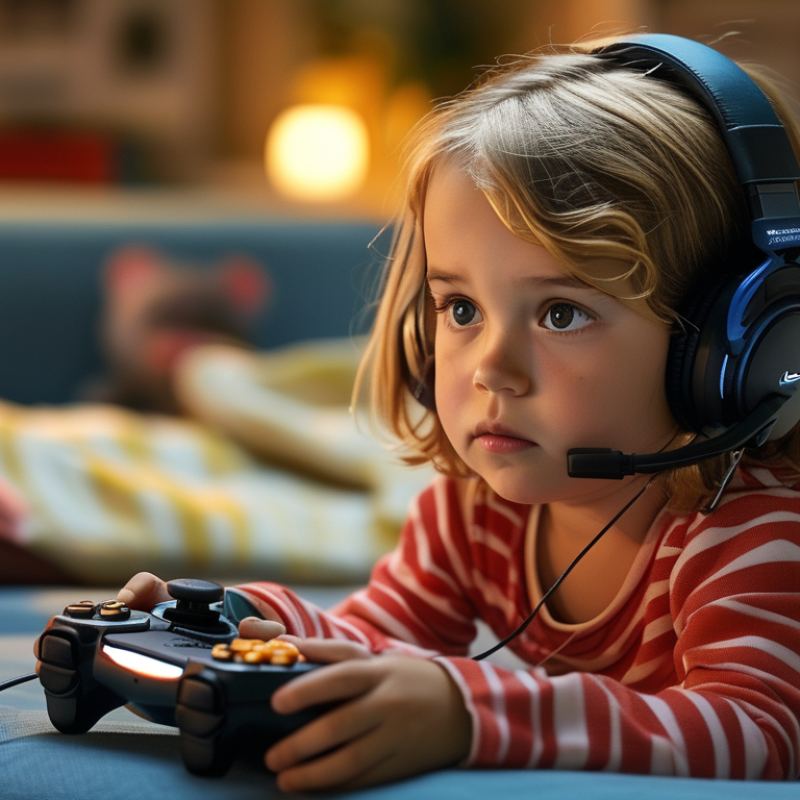
How to Help Kids Focus While Playing Games Effectively?

Understanding Kids' Attention Span During Games

Children’s attention spans can vary dramatically. Research shows that kids ages 2 to 5 can focus on an activity for only about 6 to 15 minutes. As they grow, this capacity increases. By ages 6 to 12, they can maintain focus for 20 to 30 minutes. This shift is crucial for understanding how to help them engage during games.

In a gaming context, the design of the game plays a significant role. Interactive elements can enhance focus. A 2020 study in the Journal of Developmental Psychology found that incorporating short breaks within gameplay significantly improved kids’ involvement. Kids tend to lose interest when faced with prolonged monotony. Short, stimulating activities help maintain their attention.

Parents and guardians should observe their kids. Every child is different. Some may require more frequent breaks than others. Creating a balance between play and rest can foster a healthier gaming experience. Ensuring the game is age-appropriate also matters. This attention to detail can sometimes be overlooked. Reflecting on these aspects can lead to more effective gaming sessions.

Understanding Kids' Attention Span During Games

This chart illustrates the average attention span of kids in different age groups while playing games. As the age increases, the attention span tends to vary, reflecting developmental changes in focus.

Creating a Distraction-Free Gaming Environment

Creating a distraction-free gaming environment is essential for helping kids focus while playing games. Start by choosing a quiet room. Remove unnecessary objects and toys that could divert attention. A tidy space helps children feel calm and focused. Lighting is crucial too; soft, natural light is ideal. It reduces glare on screens and makes prolonged gaming more comfortable.

Consider the setup of gaming equipment. Use ergonomic chairs to support good posture. Position screens at eye level to reduce strain. Adding noise-canceling headphones can further minimize background sounds. However, ensure that the volume level is safe for their ears. It's important not to create an isolating environment. Balance is key; kids still need to feel connected to their surroundings.

Think about regular breaks. Encourage kids to step away every 30 minutes. This helps refresh their focus and prevents burnout. Sometimes, it’s okay if they get distracted during these breaks. Reflection on what keeps them engaged or disengaged can help improve future sessions. Creating that distraction-free zone isn't a one-time task. It requires ongoing adjustments and observations to find the right balance.

Incorporating Short Breaks to Enhance Focus

Incorporating short breaks during gaming can significantly enhance children's focus. Research indicates that the human brain can only maintain attention for approximately 20 minutes. After that period, cognitive fatigue sets in, leading to decreased performance. Short breaks of 5-10 minutes can help restore their concentration. During these breaks, kids can stand up, stretch, or grab a snack. Engaging in light physical activity increases blood circulation, which helps rejuvenate their focus.

According to a report from the American Psychological Association, brief mental breaks can boost productivity by 20-30%. When kids take a step back from their screens, they give their minds a chance to rest. Many gamers also tend to stay seated for extended periods. This practice is not ideal and can lead to health problems. Parents should encourage breaks to mitigate these risks. They should ask children to set timers that remind them to pause their gameplay.

Balancing game time with manageable breaks can cultivate a healthier gaming experience. However, not all breaks are created equal. Simply scrolling through social media during these intervals may not yield the desired benefits. Instead, quality downtime that promotes mental and physical activity is key. Encouraging kids to engage in different forms of relaxation can ultimately improve their ability to refocus when returning to their games.

Setting Clear Goals and Rewards for Game Play

Setting clear goals and rewards can significantly improve kids' focus while playing games. A report from the American Psychological Association indicates that structured gameplay can enhance children's ability to concentrate. When children understand what is expected of them, they are more likely to engage fully. For example, setting a digital badge as a reward for completing specific tasks can motivate them.

Tips: Establish specific targets. For instance, encourage players to achieve a certain score or complete a level within a timeframe. This creates a mini-challenge that can keep them intrigued. Additionally, rewards should be tangible, like extra screen time or a small treat. Clear criteria for these rewards can enhance motivation.

However, too many goals can overwhelm children. It is crucial to find a balance. Too much pressure might lead to frustration and disengagement. Adjust goals based on the child’s age and skill level. A too-high target can feel unattainable, resulting in decreased interest in the game. Careful consideration of these factors can make gaming a more focused and productive endeavor.

Choosing Age-Appropriate Games to Maintain Engagement

When it comes to children's gaming, choosing age-appropriate games can significantly boost their focus. Children's attention spans vary greatly by age. For younger kids, games that involve simple problem-solving or interactive play tend to hold their interest better. For instance, a game requiring matching colors or shapes encourages participation without overwhelming them.

Older kids might thrive on games that incorporate strategic elements or teamwork. Games that challenge their critical thinking skills can keep them engaged longer. They may enjoy games that allow for exploration and creativity, such as building or crafting platforms. However, balancing difficulty is key; overly complex games can lead to frustration.

Parents should consider each child's temperament and preferences. For example, a quiet child might prefer solo puzzles, while an energetic child may attract to action-oriented games. Encouraging children to express what they enjoy is essential. Observing their reactions can provide insight into their preferences. Thus, the goal is not just to find a game but to foster an environment where kids can discover their interests and engage meaningfully.

FAQS

: Why are short breaks important during gaming?

: Short breaks help restore focus and combat cognitive fatigue, which occurs after about 20 minutes of continuous play.

How long should these breaks last?

Breaks of 5-10 minutes are effective for rejuvenating concentration and improving overall performance.

What activities can kids do during breaks?

Kids can stand up, stretch, grab a snack, or engage in light physical activity to boost blood circulation.

Do short mental breaks really improve productivity?

Yes, brief mental breaks can increase productivity by 20-30%, allowing kids to rest their minds.

What types of breaks are less effective?

Scrolling through social media may not provide the mental benefits of engaging in physical or creative activities.

How can parents encourage healthy gaming habits?

Parents should promote regular breaks and set timers to remind children when to pause gameplay.

What should parents consider when choosing games for their kids?

Consider age-appropriateness, child temperament, and whether a game promotes problem-solving without causing frustration.

How do kids express their gaming preferences?

Children often show interest in games through their reactions. Observing them can help identify what they enjoy.

What happens if kids play games that are too difficult?

Overly complex games can lead to frustration and disengagement, making it crucial to balance difficulty levels.

Is it okay for kids to play solo games?

Yes, quiet children may prefer solo puzzles, while energetic ones might enjoy action-oriented games. Personal preferences matter.

Conclusion

When considering how to help kids focus while playing games, it is essential to understand their attention spans, which can be quite short. Creating a distraction-free gaming environment is crucial; this might involve minimizing background noise and removing other potential distractions. Additionally, incorporating short breaks can significantly enhance a child’s focus, allowing them to recharge and maintain engagement with the game.

Setting clear goals and rewards can also motivate children, providing them with a sense of achievement and encouraging sustained attention. It’s important to choose age-appropriate games that not only capture their interest but also align with their developmental stage to keep them involved. By implementing these strategies, parents and caregivers can effectively support children's ability to concentrate during game play.

Isabella

Isabella

Isabella is a dedicated marketing professional with a sharp focus on driving brand growth and engagement through strategic content creation. With an extensive background in digital marketing, she combines her passion for storytelling with her keen understanding of industry trends to deliver......