 GEEGO Toys
GEEGO Toys
GEEGO Toys
Choosing toys for children is more than just fun; it plays a crucial role in their development. Understanding "How to choose toys for different age groups" is essential for caregivers. According to child development expert Dr. Emily Carson, "The right toy can ignite a child's imagination and enhance their skills." Her insights remind us that not all toys suit every child.
Different age groups have distinct needs and abilities. A toy that captivates an infant may not engage a preschooler. For infants, consider toys that stimulate senses. Bright colors and soft textures are key. For toddlers, building toys enhance motor skills and creativity. As children grow, interactive or educational toys become important. These promote critical thinking and problem-solving.
Yet, selecting the right toy is not straightforward. Many caregivers face uncertainties. They might wonder if they are choosing toys that truly foster growth. Reflecting on past choices can reveal gaps in understanding. Balancing safety and developmental benefits is crucial. With expert guidance, making informed decisions can lead to better outcomes for every child.
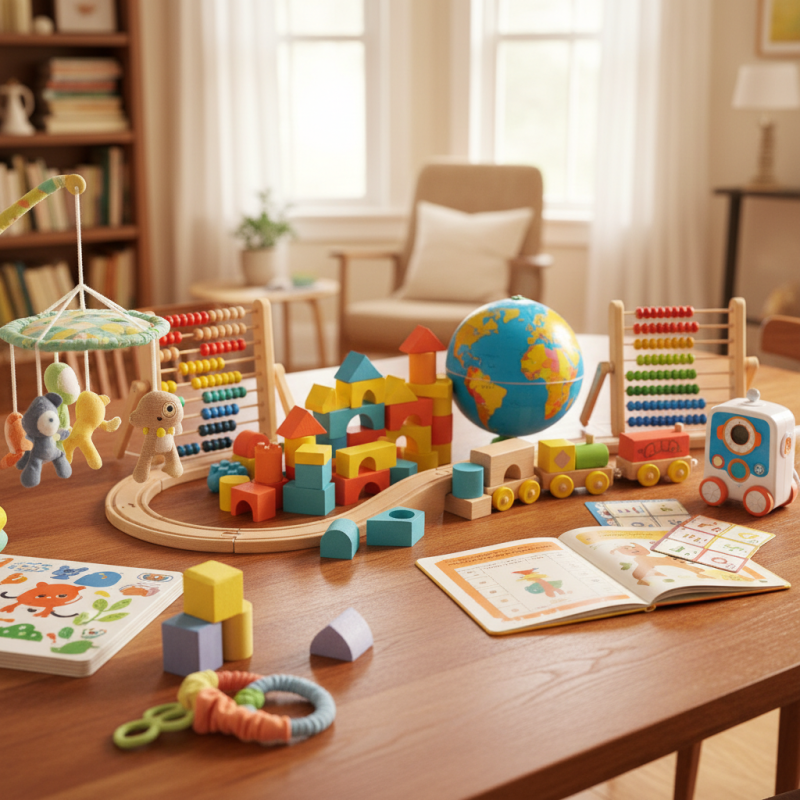
Choosing the right toys for children is crucial. Age-appropriate toys significantly impact cognitive and emotional development. Infants need toys that stimulate their senses. Colorful rattles and soft blocks help with visual and tactile skills. For toddlers, toys that promote imagination are essential. Simple puzzles and building sets encourage problem-solving and creativity.
Preschoolers benefit from collaborative play. Toys like art supplies foster social skills and sharing. However, not all toys serve this purpose. Some may overstimulate or frustrate. Parents should assess whether a toy matches their child's developmental stage. Experts emphasize the importance of understanding a child's unique needs.
As children grow, their interests shift. School-age kids thrive with complex games that challenge their thinking. Yet, they also need free playtime. Balancing structured and unstructured activities is vital. Reflecting on the toys we provide can reveal much about our parenting styles. The goal is to support growth without overwhelming them.
: They significantly impact cognitive and emotional growth. Toys should match a child's developmental stage.
Infants need toys that stimulate senses, like colorful rattles and soft blocks. These help develop visual and tactile skills.
Parents should check materials for toxicity and design for sharp edges. Always look for safety certifications.
Active participation enhances bonding and allows children to learn essential skills. It deepens their engagement during play.
Assess whether it meets their developmental needs. Overstimulating toys can lead to frustration or accidents.
Choose toys that promote collaboration and social skills, like art supplies. They encourage sharing and teamwork.
Yes, regularly check for wear and tear. Damaged toys can become safety hazards for children.
Involve them in choosing toys. Ask about their favorite colors or types. This builds connection and emotional value.
Rotating toys keeps playtime engaging and fresh. It helps avoid overstimulation and maintains a child's interest.
Balancing structured and unstructured play is crucial. This approach supports growth without overwhelming the child.
Choosing the right toys for children is crucial for their development, as appropriate toys can significantly enhance their growth and learning experiences across various age groups. Understanding developmental milestones is essential when considering how to choose toys for different age groups, as toys that facilitate learning through play can support cognitive, physical, and emotional growth. Additionally, safety is a paramount consideration, ensuring that toys are suitable for the child’s age and free from hazardous materials.
Parental involvement plays a key role in toy selection, enriching the play experience and fostering stronger bonds between parents and children. When caregivers actively engage in the selection of toys, they can better align them with the child's interests and developmental needs, enhancing both playtime and learning opportunities. Overall, the thoughtful selection of toys can have lasting benefits on a child's overall development and well-being.
