Why Is Independent Play Essential for Kids Development?

Time:2026-06-13 Author:Mason
0%

Independent play is an essential aspect of childhood development. Child psychologist Dr. Anna Johnson emphasizes this point: "Independent play builds creativity and problem-solving skills." Understanding why independent play is important for kids opens a window to their growth and emotional well-being.

When children engage in play without adult interference, they explore their imaginations. This freedom allows them to make decisions and learn from mistakes. For example, a child creating a fort from cushions may encounter challenges. They learn to adapt, which boosts their resilience.

Moreover, independent play cultivates self-confidence. As children navigate their own play scenarios, they develop a sense of control over their environment. However, reliance on structured activities can limit their ability to think creatively. It’s crucial for parents to strike a balance and encourage spontaneous playtime. In doing so, we uncover the true power of independent play.
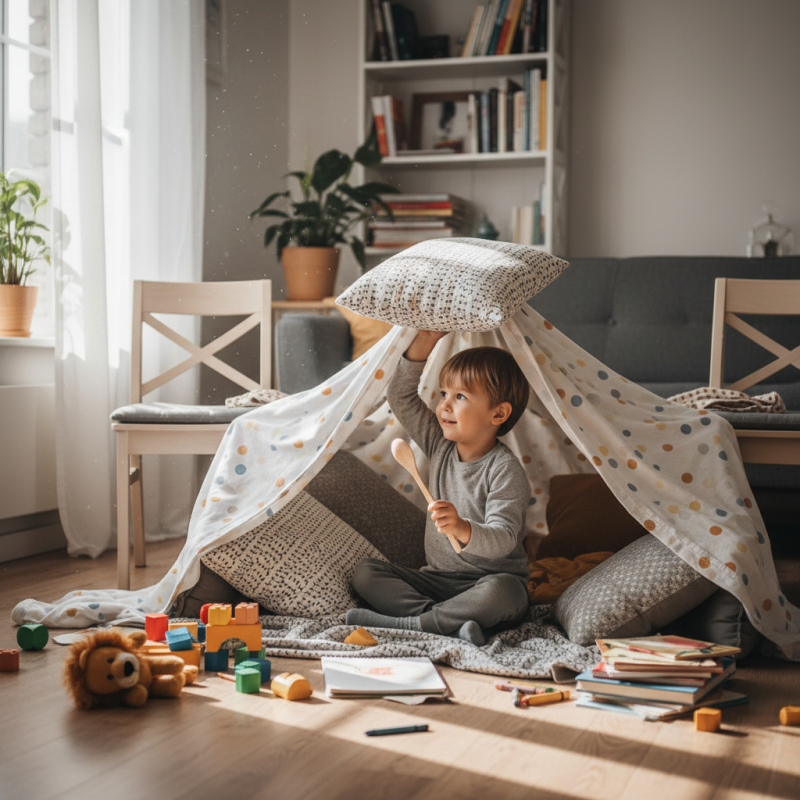
Why Is Independent Play Essential for Kids Development?

The Concept of Independent Play in Child Development

Independent play is a crucial aspect of child development. It allows children to explore their imagination and build critical skills. Research indicates that 70% of children benefit from at least an hour of unstructured play each day. This type of play enhances creativity and problem-solving abilities. Children learn to navigate challenges without adult intervention.

Through independent play, kids develop social skills, such as negotiation and cooperation. A study from the American Academy of Pediatrics highlights that children who engage in unstructured play show a 30% improvement in social interactions. They learn to express emotions and manage conflicts independently. This preparation is key for future teamwork and collaboration.

Tips for encouraging independent play include creating a safe space full of diverse, open-ended toys. Encourage children to invent games, fostering originality. Limit screen time to promote creativity. Finally, observe and give space rather than intervening at every challenge. It’s essential to remember that independent play is not always perfect; children may struggle as they learn. Embracing these difficulties is part of the growth process.

Benefits of Independent Play for Cognitive Skills

Independent play is a crucial component of children's development. It fosters cognitive skills through exploration and creativity. Children engage their imaginations when left to play alone. They solve problems, create stories, and experiment with their surroundings. This freedom enhances critical thinking abilities, as they must navigate their own challenges.

When kids play independently, they learn to focus. This concentration develops attention span and memory. This is vital for academic success later in life. Children also gain self-confidence. They learn to trust their instincts and make decisions without adult intervention. This empowerment fosters resilience in facing difficulties.

Tips: Encourage independent play by providing various materials. Toys, art supplies, and nature elements can spark creativity. Set aside specific times each day for free play. Allow children to choose their activities. Observe without interfering to see how they approach challenges. It may be messy, but messy play leads to discovery. Embrace these moments as vital learning opportunities.

Emotional Growth Through Independent Play Experiences

Independent play is a vital part of childhood development. During these moments, children explore their emotions and learn to navigate their feelings. When kids engage in solitary activities, they create their own narratives. This process allows them to express fears, joys, and anxieties in a safe environment. Even simple toys can spark deep emotional connections.

As children play alone, they confront challenges. Building a tower with blocks or solving a puzzle fosters patience. These tasks often lead to feelings of frustration, requiring reflection and resilience. In this space, kids learn to calm themselves and regain focus. They practice emotional regulation, which is crucial for social interactions later in life.

Independent play also encourages creativity. Children invent games, scenarios, and characters, which enhances their imaginative skills. Through trial and error, they realize not every idea will work, and that’s okay. This mindset fosters adaptability and self-assuredness. They're not just playing; they're learning the art of balance between freedom and structure.

Social Skill Development via Solo Play Activities

Independent play offers unique opportunities for children to develop social skills, even in solitary activities. When kids engage in play alone, they learn to navigate their emotions and thoughts. They practice problem-solving when confronted with challenges in their own created worlds. This fosters creativity and resilience.

Tips for parents: Encourage solo play by providing varied materials. A simple box can become a spaceship or a castle. Promote unstructured time where children can choose how to play. Resist the urge to intervene too quickly. Let them explore and express their ideas without judgment.

Independent play also allows children to reflect on their interactions. While playing alone, they think about past experiences with peers. They may reenact scenarios or create new storylines reflecting their feelings about friendship. However, kids might struggle with feelings of loneliness or frustration at times. These moments are vital for learning boundaries and building emotional strength.

Tips for parents: Create a balance by offering playdates alongside solo time. Follow up discussions about their play experiences. Ask open-ended questions to help children articulate their emotions. These conversations build emotional intelligence and prepare them for social settings.

Why Is Independent Play Essential for Kids Development? - Social Skill Development via Solo Play Activities

Activity Type Benefits Recommended Age Duration
Building Blocks Enhances creativity and spatial reasoning 2-5 years 30-60 minutes
Drawing and Coloring Improves fine motor skills and emotional expression 3-7 years 20-40 minutes
Puzzle Solving Enhances problem-solving skills and patience 4-8 years 15-30 minutes
Gardening Teaches responsibility and appreciation for nature 5-10 years 30-120 minutes
Role-Playing Games Encourages social skills and empathy 6-12 years 60-120 minutes

Guidelines for Encouraging Independent Play in Children

Encouraging independent play in children is vital for their growth. Research indicates that play boosts creativity, problem-solving skills, and social abilities. According to the American Academy of Pediatrics, children engaging in unstructured play develop better emotional resilience. This kind of play allows them to explore their interests freely.

To nurture independent play, set up a safe space filled with diverse materials. Items like blocks, art supplies, or nature treasures invite exploration. Limit screen time, as excessive use cuts into play opportunities. A study by the Journal of Pediatrics found that children need at least three hours of active play daily for optimal development.

Encouragement is essential, but it should not be intrusive. Observe children as they play but resist the urge to interfere. This approach helps kids learn decision-making and self-regulation. Reflect on how often you step in. Are you allowing children the freedom to explore their own solutions? Giving space fosters confidence and independence.

FAQS

: What is independent play?

: Independent play is when children play alone, exploring their imagination and building essential skills.

What are the benefits of independent play?

It enhances creativity, problem-solving, and social skills. Studies show improved social interactions among children who play independently.

How much independent play is recommended?

Research suggests that children benefit from at least an hour of unstructured play each day.

How can parents encourage independent play?

Create a safe space with diverse toys. Encourage children to invent games and limit screen time.

What should parents avoid during independent play?

Parents should avoid intervening too quickly when children face challenges. Let them explore their ideas freely.

Do children face challenges during independent play?

Yes, children may struggle at times. These difficulties are part of learning and growth.

How does independent play impact emotional development?

It helps children navigate their emotions and reflect on past interactions while fostering emotional resilience.

How can parents support emotional understanding during play?

Engage in discussions about their experiences. Ask open-ended questions to help them express their feelings.

Can independent play help with social skills?

Yes, even solitary play promotes skills like negotiation and cooperation when children reenact social scenarios.

Is loneliness a concern during independent play?

Children might feel lonely or frustrated, but these feelings are important for learning boundaries and emotional strength.

Conclusion

Independent play is a crucial aspect of child development, fostering various skills that shape a child's growth. The concept revolves around children engaging in play without direct supervision, which is vital for cognitive development as it encourages creativity, problem-solving, and critical thinking. Additionally, independent play promotes emotional growth by allowing children to explore their feelings, learn self-regulation, and build resilience.

Moreover, solo play activities enhance social skills, as children learn to navigate interactions and scenarios independently, which can contribute to better cooperation when they eventually engage with peers. To encourage independent play, parents and caregivers can provide safe, diverse environments, offer a variety of play materials, and allow children to take the initiative. In exploring the question, "Why is independent play important for kids?", it’s clear that fostering these experiences is integral to well-rounded development.

Mason

Mason

Mason is a seasoned marketing professional with a deep expertise in the company's offerings and a passion for driving brand awareness. With a strong background in digital marketing strategies, he has an innate ability to connect with diverse audiences and effectively communicate product benefits.......