Why Are STEM Toys Popular for Kids 5 Key Benefits Explained?

Time:2026-05-31 Author:Isabella
0%

In recent years, the question "Why are STEM toys popular for kids?" has gained significant attention among parents and educators. According to a market research report by Research and Markets, the global STEM toy market is expected to reach $3.4 billion by 2026, illustrating a growing demand for educational products. These toys not only captivate children's interest but also nurture essential skills such as problem-solving and critical thinking.

STEM toys encourage hands-on learning experiences, making complex concepts relatable. The National Science Foundation emphasizes the importance of introducing these subjects early to foster a love for science, technology, engineering, and mathematics. Engaging with STEM toys allows children to experiment and learn through trial and error, which builds resilience. However, selecting the right STEM toy can be challenging, as not all toys deliver the educational value they promise.

As the world becomes more technology-driven, understanding "Why are STEM toys popular for kids" involves recognizing their role in preparing the next generation for future careers. With merely 24% of U.S. high school students expressing interest in STEM fields, the timing for these educational tools could not be more crucial. Empowering children with the right resources is vital, but we must ensure these toys foster genuine learning experiences.
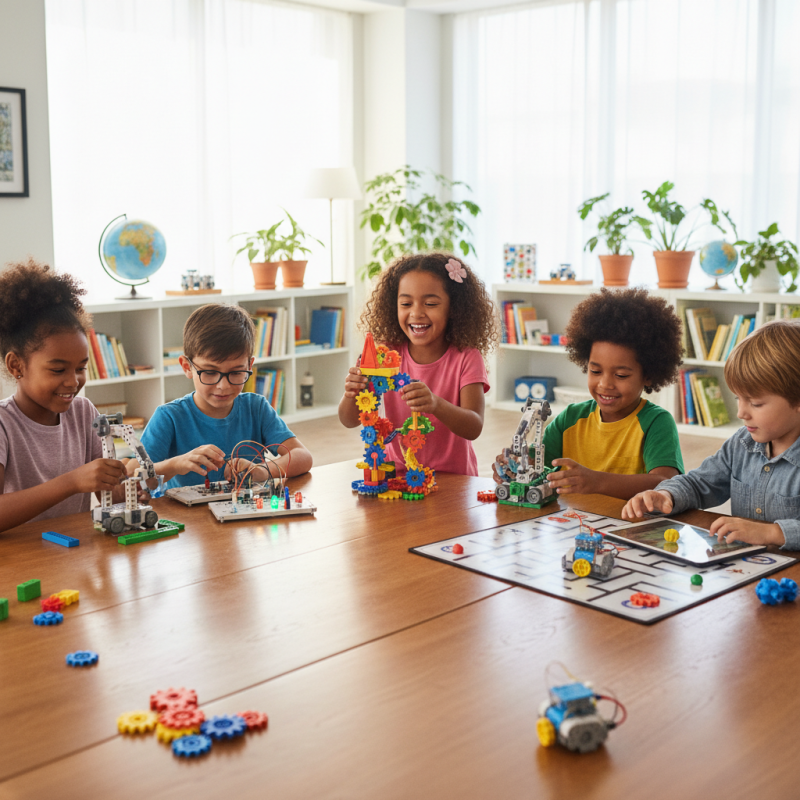
Why Are STEM Toys Popular for Kids 5 Key Benefits Explained?

The Rise of STEM Toys in Today's Market

The rise of STEM toys in today’s market is both impressive and illuminating. Recent studies indicate a substantial growth, with the global STEM toys market projected to reach $3.3 billion by 2026. Parents are increasingly recognizing the importance of equipping their children with skills for a tech-driven future. These toys foster critical thinking, creativity, and problem-solving abilities, which are essential in a rapidly evolving job landscape.

Research from the Toy Association reveals that 75% of parents prioritize educational value in their children's toys. This shift signifies a profound understanding of childhood development. Not all STEM toys, however, provide meaningful learning experiences. Some may overemphasize entertainment, leaving gaps in educational value. Parents must be discerning about the options they choose for their children.

Moreover, the accessibility of information about STEM education is changing how families select toys. Online resources and community reviews offer insights into which products truly benefit children. In this landscape, toy manufacturers are challenged to stay innovative. As consistent scrutiny from both parents and educators grows, the emphasis on genuine learning experiences is more significant than ever. The popularity of STEM toys highlights a collective commitment to education, but not everything on the market meets these evolving standards.

Key Characteristics that Make STEM Toys Engaging

STEM toys captivate kids through their unique characteristics. These toys often integrate science, technology, engineering, and math in engaging ways. One key aspect is their hands-on approach. Children can experiment, build, and create, allowing for an immersive learning experience. When kids see concepts in action, it makes learning more tangible and exciting.

Another vital feature is adaptability. Many STEM toys cater to different age groups and skill levels. Younger children can explore basic concepts, while older ones can dive deeper into complex ideas. This flexibility keeps kids challenged and engaged. Moreover, collaborative play promotes social skills. When children work together, they learn to problem-solve and communicate effectively.

The design of STEM toys also fosters creativity. They encourage open-ended play, allowing kids to think outside the box. Instead of following strict instructions, children can modify their projects. This freedom nurtures confidence and independent thinking. However, a lack of guidance can sometimes lead to frustration. Balancing structure with creativity is essential for a fulfilling experience.

Benefits of STEM Toys for Kids

Promoting Critical Thinking Skills Through STEM Toys

STEM toys have gained popularity for their unique ability to enhance critical thinking skills among children. These toys engage young minds in problem-solving and logical reasoning. According to a report by the National Science Board, 80% of jobs in the next decade will require STEM skills. This trend emphasizes the need for early exposure, making STEM toys vital for cognitive development.

Playing with STEM toys encourages kids to experiment, analyze, and strategize. These activities form the building blocks of critical thinking. For example, puzzles and building sets help kids learn how to break down complex problems. A study published in the Journal of Educational Psychology found that children who engage with interactive toys develop higher analytical skills over time.

Tip: Encourage your child to ask questions while playing. Questions can lead to deeper understanding and exploration.

Parents should consider the age appropriateness of toys. Some toys may appear advanced but might frustrate younger children. Choosing the right toy ensures a balance between challenge and fun.

Tip: Reflect on your child's interests. A toy aligned with their passion will invoke curiosity and a desire to learn more.

Enhancing Creativity and Problem-Solving Abilities with STEM Toys

STEM toys serve as a powerful tool for enhancing creativity and problem-solving skills among children. These toys encourage hands-on learning, allowing kids to explore concepts in science, technology, engineering, and math. Engaging with these toys often leads to moments of trial and error. Kids learn by building and breaking. These experiences inspire them to think outside the box.

When children assemble a robot or construct a simple circuit, they develop critical thinking skills. They must plan their projects, troubleshoot issues, and adapt their strategies. This fosters resilience. If a project doesn’t work the first time, children learn the value of persistence. They begin to ask questions about what went wrong. This inquiry-based approach cultivates a deeper understanding of the world around them.

Creativity flourishes in environments where mistakes are seen as learning opportunities. STEM toys often come with open-ended possibilities. For instance, building blocks can create various structures. This flexibility allows children to express their creativity while applying logical reasoning. Through exploration and experimentation, kids develop a passion for learning. Such experiences are essential for their growth.

Why Are STEM Toys Popular for Kids 5 Key Benefits Explained

Benefit Description Age Group Recommended Duration
Enhances Problem-Solving Skills STEM toys encourage children to think critically and solve complex problems. 5-7 years 30-60 minutes
Promotes Creativity Children use their imagination to build and create, fostering innovative thinking. 4-8 years 1-2 hours
Encourages Collaboration Many STEM activities are designed for group play, teaching teamwork and communication. 6-10 years 45-90 minutes
Builds Resilience Children learn to face challenges and learn from failure, building perseverance. 5-9 years 30-60 minutes
Introduces Basic STEM Concepts STEM toys often incorporate basic principles of science, technology, engineering, and math. 3-7 years 20-40 minutes

Fostering Teamwork and Collaboration in Young Learners with STEM Toys

STEM toys are increasingly popular because they encourage teamwork and collaboration among young learners. According to a report by the National Science Foundation, children involved in group play with educational toys exhibit stronger communication skills. This is vital as kids learn to express ideas and negotiate roles during play. For example, when children build a structure together, they must share resources and listen to each other's suggestions.

Furthermore, data from the American Academy of Pediatrics highlights that cooperative play fosters problem-solving abilities. When confronted with challenges, kids must brainstorm solutions as a team. This process cultivates not only creativity but also emotional intelligence. The challenges faced with STEM toys often require discussions, which help children articulate thoughts and respect different viewpoints.

However, it’s important to recognize that not all children thrive in collaborative environments. Some may feel overwhelmed by group dynamics. This can lead to frustration or disengagement. It’s crucial for parents and educators to facilitate balanced interactions. They should guide children in understanding the value of teamwork while recognizing individual contributions. Creating a supportive environment ensures all young learners can benefit from their experiences with STEM toys.

FAQS

: What skills do STEM toys enhance in children?

: STEM toys boost critical thinking, problem-solving, and creativity skills through engaging, hands-on activities.

How can parents promote critical thinking during play?

Encourage your child to ask questions while playing. Questions lead to exploration and deeper understanding.

Why is age appropriateness important when selecting STEM toys?

Choosing age-appropriate toys balances challenge and fun. Incorrect choices may frustrate younger children.

How do STEM toys help develop resilience in kids?

Kids learn persistence by troubleshooting and adapting their strategies after a failed project.

Can mistakes be beneficial when using STEM toys?

Yes, mistakes serve as learning opportunities. They foster creativity and an inquiry-based approach to problem solving.

How do STEM toys foster teamwork among children?

They encourage collaboration, as kids must share resources and negotiate roles during group play activities.

What should parents consider about children's preferences?

Reflect on your child's interests. Toys aligned with their passions can inspire curiosity and a desire to learn more.

What challenges might some children face when playing cooperatively?

Some kids may feel overwhelmed and disengaged in group settings, leading to frustration.

How can parents support children during group play?

Facilitate balanced interactions and help children understand teamwork's value while recognizing individual contributions.

What is a key takeaway regarding the use of STEM toys?

Provide a supportive environment that allows all children to benefit, balancing collaboration and individual strengths.

Conclusion

STEM toys have gained immense popularity among kids due to their unique ability to blend education with engagement. This rise can be attributed to several key characteristics that make these toys appealing, including their hands-on approach and interactive nature. Why are STEM toys popular for kids? They promote vital skills such as critical thinking and creativity, allowing young learners to solve problems and think outside the box.

Additionally, STEM toys foster teamwork and collaboration, encouraging children to work together on projects and challenges. This collaborative aspect not only enhances learning but also prepares them for future social interactions. Overall, the benefits of STEM toys go beyond mere play; they equip children with essential skills that will aid them in their educational journey and future careers.

Isabella

Isabella

Isabella is a dedicated marketing professional with a sharp focus on driving brand growth and engagement through strategic content creation. With an extensive background in digital marketing, she combines her passion for storytelling with her keen understanding of industry trends to deliver......