GEEGO Toys
Choosing the right toys for kids can be overwhelming. Parents often wonder, "What should parents check before buying toys?" This question is crucial. Safety is a paramount concern. Parents must ensure that toys are non-toxic and age-appropriate. Injuries can happen with poorly designed toys. Small parts can be a choking hazard for young children.
Moreover, educational value plays a significant role. Toys should encourage creativity, problem-solving, and learning. Parents should consider whether a toy will stimulate their child’s imagination. For instance, blocks can enhance motor skills and cognitive development. However, not all seemingly educational toys are beneficial. Some may distract rather than engage.
Another factor to consider is durability. Toys can be expensive, and a flimsy product can lead to disappointment. Parents should look for brands with a good reputation. Reviews and recommendations from other parents are helpful resources.
Overall, it’s vital to be thoughtful when choosing toys. Parents must balance fun and learning. By asking “What should parents check before buying toys,” they can make informed decisions that benefit their children.
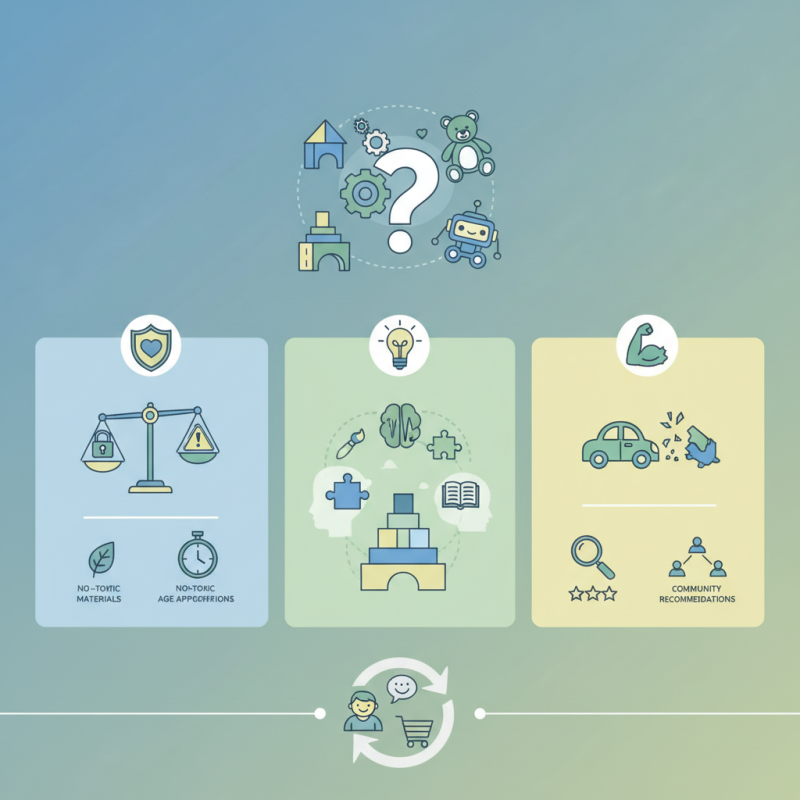
When selecting toys for children, understanding age appropriateness labels is crucial. These labels signify if a toy is suitable for a specific age range. They consider physical size, potential choking hazards, and complexity of the toy's use. For example, toys intended for younger kids often avoid small parts that could pose risks.
Parents should take these labels seriously. A toy marked for age three and up may not be safe for toddlers. The materials used, such as plastics or paints, must also be non-toxic. Always check for certifications, like ASTM or EN71, which indicate safety compliance.
Tips for parents:
When buying toys for kids, the choice of materials is crucial. Many toys on the market are made from plastics that can release harmful chemicals. These chemicals can pose serious health risks to children, including developmental disorders and hormone disruptions. A report by the American Academy of Pediatrics highlights that 76% of parents are unaware of the potential hazards in toys.
Non-toxic materials, such as organic cotton or sustainably sourced wood, are safer alternatives. Research shows that toys made from these materials are less likely to contain harmful substances. In 2022, 30% of recalls were due to toxic materials. Using safer materials can reduce the risk of exposure to these harmful elements.
Parents should also consider age-appropriate toys. Some toys may seem harmless but can still contain substances harmful to infants or toddlers. A detailed study revealed that toys designed for young children often have higher levels of lead and phthalates. It's essential for parents to research and ensure the toys they choose meet strict safety standards. Feeling overwhelmed is common, but diligence can safeguard children's health.
When choosing toys for children, parents should focus on how these toys support developmental skills. According to a report by the American Academy of Pediatrics, toys that encourage creativity, problem-solving, and social interaction are crucial. For instance, building blocks enhance spatial awareness and fine motor skills. Toys that require role-playing can boost empathy and communication in children.
Tips: Look for toys that encourage collaborative play. Games that require teamwork can teach children valuable negotiation skills. Additionally, consider toys that can grow with your child, adapting to different age levels and skills. A versatile toy can keep children engaged longer.
While flashy electronics may attract children, studies show that simpler toys often yield better outcomes. A report from the American Educational Research Association indicates hands-on toys, like art supplies or puzzles, can significantly enhance cognitive skills. Choose wisely: a toy's true value lies in its ability to foster learning, not just entertainment. Needing constant supervision may also signal a toy that’s not quite right.
When choosing toys for children, safety is paramount. One of the most significant concerns is
choking hazards. Many toys contain small parts that can easily become lodged in a child's throat. Parents should carefully inspect toys before making a purchase.
Always look for warnings on packaging regarding small components.
Take the time to read labels. Look for toys that comply with safety regulations. If a toy has small pieces, consider if it’s appropriate for your child’s age.
Young children often explore with their mouths. This behavior increases choking risks with small items.
Tips: Choose toys labeled "choke hazard" only for older kids.
Always supervise playtime, especially with small parts. Regularly check toys for wear and tear. Frayed edges or loose pieces can pose risks as well.
Investing time in the right toy selection can prevent accidents and keep playtime fun. Remember, a great toy is both enjoyable and safe.
When choosing toys for children, safety must be a priority. Compliance with ASTM and CPSIA regulations is crucial. These standards ensure that toys are free from hazardous materials and designed to minimize risks. Many parents may overlook these details, but they are vital for a child's well-being.
ASTM sets safety guidelines that cover various factors, including choking hazards and toxic chemicals. CPSIA enforces stricter limits on lead and phthalate levels. Before purchasing, parents should ask sellers about compliance with these regulations. A detailed inspection can be enlightening. Pay attention to labels indicating safety certifications. Ignoring these details can lead to problematic choices.
Parents might feel overwhelmed by the information. It is easy to focus on a toy's appearance rather than safety. Keeping an eye out for warning labels helps. Look for age-appropriate toys to reduce risks. Remember, a toy can look fun but still pose a danger. Engagement is key; discussing safety aspects with children can also foster awareness.
: They indicate if a toy is suitable for a specific age range, considering risks like choking.
Toys for older children can be unsafe for younger kids, leading to potential hazards.
Non-toxic materials, like organic cotton or sustainably sourced wood, are preferable.
Harmful chemicals can cause developmental disorders and hormone disruptions in children.
Check for compliance certifications such as ASTM or CPSIA before buying toys.
Yes, many parents are unaware of hazards in toys, despite safety guidelines existing.
Yes, toys may look harmless yet contain toxic substances, especially for young children.
Consulting with experts or other parents can help clarify age-appropriate toy choices.
It fosters awareness and helps them understand the importance of safe toys.
Many assume colorful and appealing toys are safe without checking labels or materials.
When considering what should parents check before buying toys for kids, several critical factors come into play. First, understanding age appropriateness labels is essential as they indicate whether a toy is suitable for a child's developmental stage, minimizing safety risks. Parents should also prioritize non-toxic materials, ensuring that toys are free from harmful substances that could affect children's health.
Additionally, evaluating a toy's play value is important; toys that foster developmental skills contribute significantly to a child's growth. Parents must also be vigilant about potential choking hazards and small parts that could pose risks to younger children. Lastly, compliance with ASTM and CPSIA toy safety regulations is crucial, as these standards ensure that toys meet safety requirements designed to protect children. By considering these factors, parents can make informed decisions that promote safe and beneficial play for their children.
