Play is a fundamental aspect of childhood that shapes the foundation of future growth. Why is play important for child development? It sparks creativity, fosters social skills, and enhances cognitive abilities. During play, children explore their world and test boundaries, learning critical problem-solving skills in real-time. Engaging in make-believe scenarios allows them to express emotions and understand perspectives.
Moreover, play is not just about fun; it is an essential learning tool. For example, climbing on playground equipment boosts physical strength and coordination. Group games encourage cooperation and conflict resolution. These experiences are crucial for building resilience and self-esteem. However, some parents may overlook the significance of free play in a child’s routine.
Additionally, over-structured activities can hinder natural exploration. Children need unstructured time to cultivate imagination. It’s important to strike a balance between guided and free play. Reflecting on play’s vital role can lead to better opportunities for children to thrive. The evidence is clear: play nurtures not just the body, but the mind and spirit as well.
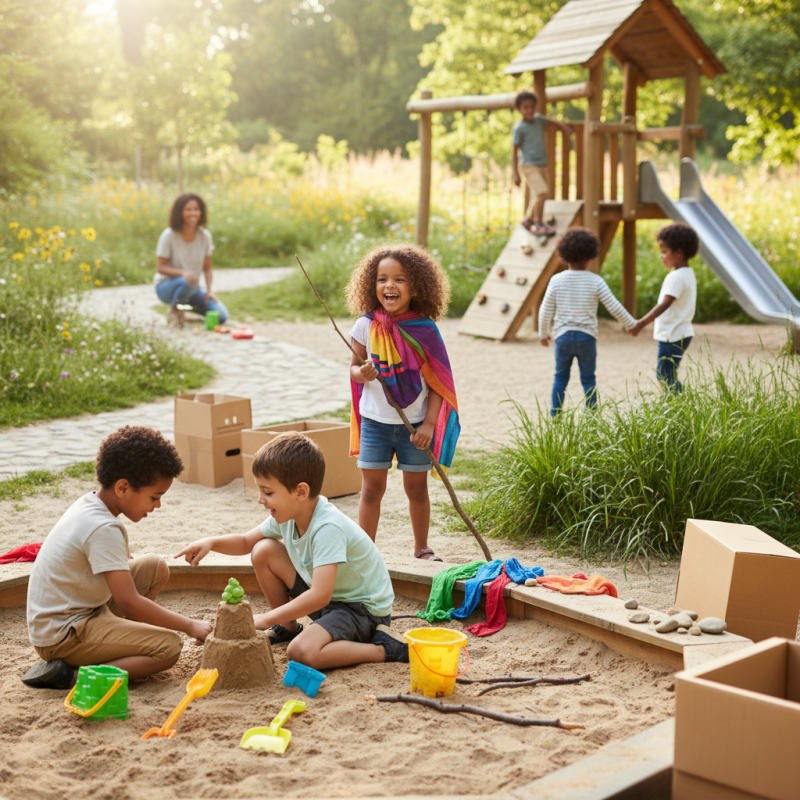
Play serves as a core element in the cognitive development of children. Engaging in play facilitates problem-solving skills and enhances creative thinking. When children play, they explore their environment and interact with various elements around them. This exploration is crucial. It stimulates curiosity and promotes independent thought. As children navigate challenges during play, they learn to make decisions and assess risks.
Through imaginative play, children can express emotions and develop social skills. They role-play different scenarios, which aids in understanding perspectives. This type of engagement enhances empathy and cooperation. Children often practice language skills as they narrate stories or negotiate roles with peers. These interactions also aid in building memory and attention spans.
However, not all play is equal. Some children may struggle with open-ended play, relying instead on structured activities. This reliance may limit their creative development. Additionally, excessive screen time can hinder real-world play experiences. Balancing screen use with physical, hands-on activities is essential for fostering holistic cognitive growth. Embracing imperfections in playtime, such as messy crafts or failed attempts at building, can teach valuable lessons too. Encouraging children to reflect on these moments can contribute to a deeper understanding of themselves and their world.
Play is fundamental for children's physical development. Research indicates that active play boosts cardiovascular health. It helps build strong bones and muscles. According to the American Academy of Pediatrics, children need at least 60 minutes of active play each day. This activity improves endurance and overall fitness. When children engage in play, their bodies develop in crucial ways.
Moreover, play encourages coordination and balance. Activities like running, jumping, or climbing stimulate the vestibular system. This system helps children understand where their bodies are in space. Studies suggest that kids who play regularly demonstrate better motor skills. They also show improved balance and agility compared to those who do not. However, access to safe play environments remains a challenge in many communities.
The benefits of play extend beyond physical health. Social development occurs through group play, fostering teamwork and communication. Yet many children face barriers to active play. Limited outdoor space and increased screen time hinder opportunities. Addressing these issues is essential for ensuring effective child development. The future health of our children hinges on recognizing the value of play.
Play is a vital part of child development, especially for emotional growth. Through play experiences, children express feelings and explore social interactions. According to the American Academy of Pediatrics, play enhances emotional intelligence, helping kids recognize and manage emotions. It fosters resilience and coping skills, which are essential for lifelong success.
During play, children experience joy, frustration, and empathy. They learn to navigate challenges, like losing a game, which teaches them about disappointment. A report by the National Association for the Education of Young Children emphasizes that play helps in building strong friendships and improves communication skills. These interactions empower children to express themselves effectively.
Tips: Encourage free play without strict rules. This fosters creativity and independence. Engage in role-playing games to help children practice social scenarios. Provide a safe environment where kids can express their feelings openly. Allow room for mistakes; this is how children learn and grow. Embracing imperfections in play can lead to deeper emotional understanding and connection.
| Dimension | Description | Examples of Play Activities | Developmental Benefits |
|---|---|---|---|
| Social Skills | Interactions with peers to learn cooperation and conflict resolution. | Group games, role-playing, team sports. | Improved communication, teamwork, empathy. |
| Emotional Regulation | Understanding and managing feelings through play scenarios. | Pretend play, storytelling, art activities. | Better emotional expression and coping strategies. |
| Creativity | Exploration and imaginative thinking fostered through play. | Crafts, building blocks, imaginative play. | Enhanced problem-solving skills and innovative thinking. |
| Confidence | Building self-esteem through successful play experiences. | Individual challenges, sports, performance arts. | Greater assurance in personal abilities and social situations. |
| Cognitive Development | Critical thinking and decision-making processes enhanced through play. | Puzzles, board games, strategic games. | Improved cognitive flexibility and focus. |
Interactive play is a cornerstone for developing social skills in children. During play, kids engage in role-playing and negotiation. This provides them an avenue to practice communication. For example, a group of children might argue over a toy. In resolving this, they learn to express feelings and understand perspectives.
As they play together, children explore cooperation and teamwork. They learn to share and take turns, essential elements in building friendships. A simple game can highlight this beautifully. When one child takes the lead, others observe and adapt. This dynamic fosters empathy and strengthens connections.
However, not all play is smooth. Conflicts arise. Children may struggle to express anger or frustration. These moments are crucial as they reflect on their emotions. Learning to cope with these feelings can enhance resilience. Interactive play hones these skills and prepares children for real-life social interactions. Each experience is a building block for their social future.
Play is more than fun; it is vital for children's development. Through play, children unleash their creativity and stimulate their imaginations. Research from the American Academy of Pediatrics indicates that play enhances cognitive skills and emotional resilience. Engaging in imaginative play can improve problem-solving abilities, which are crucial for academic success later.
Creativity thrives when children are allowed to explore freely. Simple activities, like building with blocks or drawing, foster original thinking. A study by the National Institute for Play found that play leads to increased brain development in young children. It also showed that children who engage in creative play often demonstrate improved language skills.
Tip: Encourage playtime with no set agenda. Let children decide how to use toys or materials. This freedom can enhance their capacity for imagination.
Imaginary scenarios allow kids to process their feelings. It’s important to observe how children interpret and recreate their experiences through play. Sometimes, children may reenact distressing situations, showing their approach to problem-solving. This reflection can reveal their emotional state.
Tip: Provide safe spaces for play where children can express emotions without fear of judgment. A nurturing environment helps children develop their identities through creative expression.
: Play enhances problem-solving skills and creative thinking. It encourages curiosity and independent thought.
Imaginative play allows emotional expression and develops social skills. Role-playing scenarios fosters empathy and cooperation.
Excessive screen time can limit real-world play experiences. It’s vital to balance screen use with hands-on activities.
Not all children thrive in open-ended play. Some may lean more on structured activities, which can hinder creativity.
Allow children to play without a set agenda. Let them explore toys freely to enhance their imagination.
Reflecting on messy crafts or failed attempts teaches lessons. It helps children understand themselves and their experiences.
Children narrate stories and negotiate roles during play. These interactions aid in building memory and attention spans.
Children reenact situations during play to process feelings. Observing this can reveal their approach to problem-solving and emotions.
A safe space allows children to express emotions without judgment. This setting helps them develop their identities creatively.
Play is an essential component of child development for several reasons. First, it plays a crucial role in cognitive development by enhancing problem-solving skills and promoting critical thinking through engaging activities. Additionally, the physical benefits of play cannot be overlooked, as it contributes to the overall health and motor skills of growing children. Emotional development is also fostered through play experiences, allowing children to navigate their feelings and understand empathy in a safe environment.
Moreover, interactive play enhances social skills, as children learn to communicate, collaborate, and resolve conflicts with their peers. Finally, play stimulates creative expression and imagination, allowing children to explore their ideas and develop innovative thinking. Thus, understanding "why is play important for child development" reveals its multifaceted contributions, making it a vital aspect of nurturing well-rounded individuals.
