GEEGO Toys
Educational toys play a significant role in a child's development. Research shows that 85% of a child's brain develops by age three. This highlights the importance of early learning experiences. Parents often wonder, "What skills do educational toys improve?" Evidence suggests these toys enhance cognitive, emotional, and social skills.
For instance, STEM-based toys promote problem-solving and critical thinking. According to a study by the American Academy of Pediatrics, these toys encourage children to explore concepts in science and math. Additionally, toys that foster creativity can improve communication skills. Role-playing and building sets allow children to express themselves while interacting with others.
However, not all toys are beneficial. It's essential to choose those that offer meaningful engagement. Parents should consider age-appropriate options that align with their child’s interests. Reflecting on this, we find that while educational toys can significantly aid development, careful selection is crucial to realize their full potential.
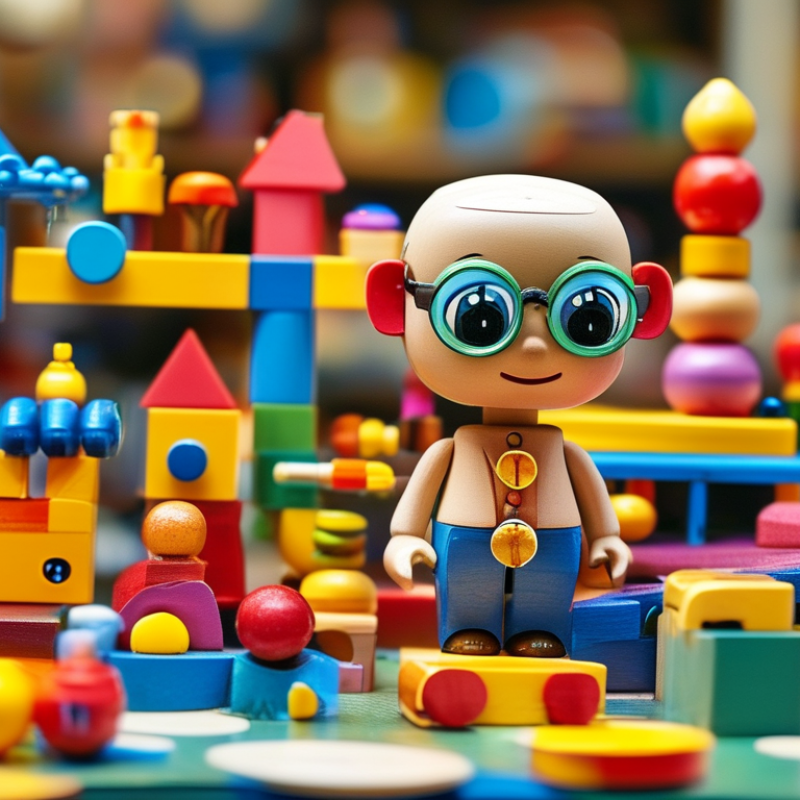
Cognitive development is crucial during early childhood. Educational toys play a significant role in fostering this growth. They encourage problem-solving and critical thinking. For instance, puzzles and building blocks challenge children to figure out solutions. This active engagement builds neural connections in the brain.
Toys that promote imaginative play are equally important. Role-playing with dolls or figurines enhances creativity. Children learn to communicate and express their feelings. However, not all toys encourage deep cognitive skills. Many popular toys offer passive entertainment rather than active engagement. It’s essential for caregivers to select toys that stimulate thinking.
Moreover, children can find frustration with challenging toys. This discomfort is part of the learning process. They must navigate their emotions and learn resilience. Balancing fun with cognitive challenges can be tricky. Parents should be mindful of their child’s responses. Observing how children interact with toys can offer insights into their developmental needs.
| Skill | Description | Toys that Enhance This Skill |
|---|---|---|
| Problem Solving | Ability to analyze situations and find solutions. | Puzzle Games, Building Blocks |
| Critical Thinking | Evaluating information and making reasoned decisions. | Strategy Board Games, Science Kits |
| Creativity | Generating new ideas or concepts. | Art Supplies, Craft Kits |
| Social Skills | Interacting effectively with others. | Role-Playing Sets, Cooperative Games |
| Motor Skills | Using hands and fingers to interact with objects. | Building Sets, Fine Motor Skill Toys |
Interactive play materials can greatly enhance fine motor skills in young children. These toys often require precise movements, such as grasping, lifting, or pushing. For instance, building blocks challenge little hands to stack or align pieces. Such activities promote hand-eye coordination and grip strength. Children learn to control their fingers better as they manipulate the toys.
Exploring different textures is another benefit. Toys with various surfaces can stimulate tactile feedback. This sensory experience encourages kids to use their fingers in unique ways. For example, pressing soft buttons and pulling strings can refine their dexterity. While children engage with these materials, they might encounter frustration. However, these moments of struggle are essential for growth. They teach perseverance and problem-solving skills.
Through play, children develop not only fine motor skills but also confidence. However, not every child may respond the same way. Some might excel, while others need more practice. It's important for caregivers to provide encouragement. This balance of challenge and support can create a fruitful learning environment. Engaging with educational toys offers a rich opportunity for skill enhancement.
Group educational toys play a significant role in developing social skills among children. When children interact with their peers while engaging in play, they learn important concepts such as teamwork and cooperation. Research shows that children who regularly play with others exhibit higher emotional intelligence and better communication skills. A study by the American Academy of Pediatrics highlights that children involved in group play are 30% more likely to develop positive social behaviors.
Through collaborative play, children face challenges that require negotiation and conflict resolution. These interactions are vital for social development. For example, when a child shares a toy or collaborates on a project, they practice sharing and empathy. Yet, some children may struggle in group settings. They may feel overwhelmed or reluctant to engage. Such scenarios provide learning moments for both children and caregivers, emphasizing the need for supportive environments.
Moreover, educators underline the importance of guided play. Informal settings allow children to express themselves freely. They can explore their personalities in a safe space. The right educational toys can facilitate these experiences. They not only entertain but also nurture the crucial social skills that shape interactions in later life. Encouraging group play can ultimately create a foundation for healthy, lasting relationships.
Open-ended playsets are invaluable tools for enhancing creativity and imagination in children. These versatile toys allow kids to build, create, and explore without strict guidelines. Children can construct anything from castles to spaceships. This freedom encourages them to think outside the box. It also nurtures problem-solving skills. When faced with challenges during play, kids learn to adapt and develop innovative solutions.
Imaginative play often leads to rich storytelling. Children create characters and plotlines, fostering language development. As they engage with peers, cooperation and communication skills emerge. However, not all kids thrive in open-ended play. Some might struggle with indecision or frustration. This requires support and encouragement from caregivers to help them overcome obstacles.
Parents and educators can enhance this experience by providing diverse materials. Items like blocks, art supplies, and natural elements ignite creativity. It's essential to reflect on how children respond. Observing their play allows adults to tailor support and guidance effectively. By creating an environment that values creativity, we can empower children to express themselves fully.
Educational toys play a vital role in enhancing children's skills, particularly in STEM fields. These toys are intentionally designed to spark curiosity and promote problem-solving abilities. By engaging with materials like building blocks, robotic kits, or science experiment sets, children develop critical thinking. They learn how to approach challenges in a structured way.
Tips for selecting the right educational toys include looking for options that encourage exploration. Toys should invite experimentation and allow for creative solutions. For example, a simple puzzle can evolve into a complex reasoning task as children try different methods to complete it. Pay attention to age-appropriate designs. Toys that suit a child's developmental stage will foster a genuine interest in learning.
Ensure there's a balance in complexity. Overly intricate toys may frustrate young learners. A toy that is too easy risks boredom. It's essential to find that sweet spot where challenge meets engagement. Encouraging reflection on their processes can help. Ask children what strategies worked and what they could improve. This not only boosts their STEM skills but also builds resilience.
: Interactive play materials are toys designed to enhance fine motor skills in children through precise movements.
They require actions like grasping and lifting, which promote hand-eye coordination and grip strength.
Toys with various textures stimulate tactile feedback, helping kids refine their dexterity with activities like pressing or pulling.
Moments of struggle teach kids perseverance and problem-solving, which are key for their growth.
Encouragement is vital. Balancing challenge and support creates a productive learning environment for children.
Select toys that promote exploration, experimentation, and are suitable for the child's developmental stage.
The toy's complexity should balance challenge and engagement; too hard may frustrate, too easy could bore.
Encouraging children to reflect on their strategies helps improve their skills and builds resilience.
No, some may excel, while others might require more practice. Every child's learning journey is unique.
Engaging in playful tasks boosts children's confidence as they master new skills and overcome challenges.
Educational toys play a crucial role in early childhood development, significantly improving various skills in children. One of the primary benefits of these toys is their ability to enhance cognitive development, providing children with the tools needed to think critically and solve problems. Through interactive play materials, children can also improve their fine motor skills, as they engage in activities that require hand-eye coordination and dexterity.
Additionally, educational toys foster social skills by encouraging teamwork and communication when children play in groups, helping them learn to cooperate and share. Open-ended playsets spark creativity and imagination, allowing children to explore their ideas freely. Furthermore, many educational toys are designed to support STEM learning objectives, making complex concepts more accessible and enjoyable. Overall, the question "What skills do educational toys improve?" can be answered with a focus on cognitive abilities, fine motor skills, social interactions, creativity, and STEM competencies, all essential for holistic child development.
