 GEEGO Toys
GEEGO Toys
GEEGO Toys
When it comes to selecting toys for young children, safety is paramount. According to the American Academy of Pediatrics, toys should be age-appropriate to reduce injuries. As parents and guardians, understanding "how to pick safe toys for young kids" can significantly lower risks associated with playtime. Dr. Jane Anderson, a child safety expert, emphasizes, "Every toy should be tested for safety standards; it's crucial for child development."
Recent statistics reveal that toys account for over 200,000 injuries in children under age five each year in the U.S. This staggering figure highlights the need for diligence in toy selection. Options that may seem harmless can inadvertently pose dangers. Materials used in toys are essential; PVC and phthalates are known to be harmful. Parents should look for certifications, such as ASTM F963, to ensure toys meet safety guidelines.
Navigating the vast toy market can be daunting. Not every brightly colored option is suitable. It's important to reflect on a toy's design, size, and potential choking hazards. Investing time in research can help cultivate a safer play environment for children, turning play into a protected and joyful experience.
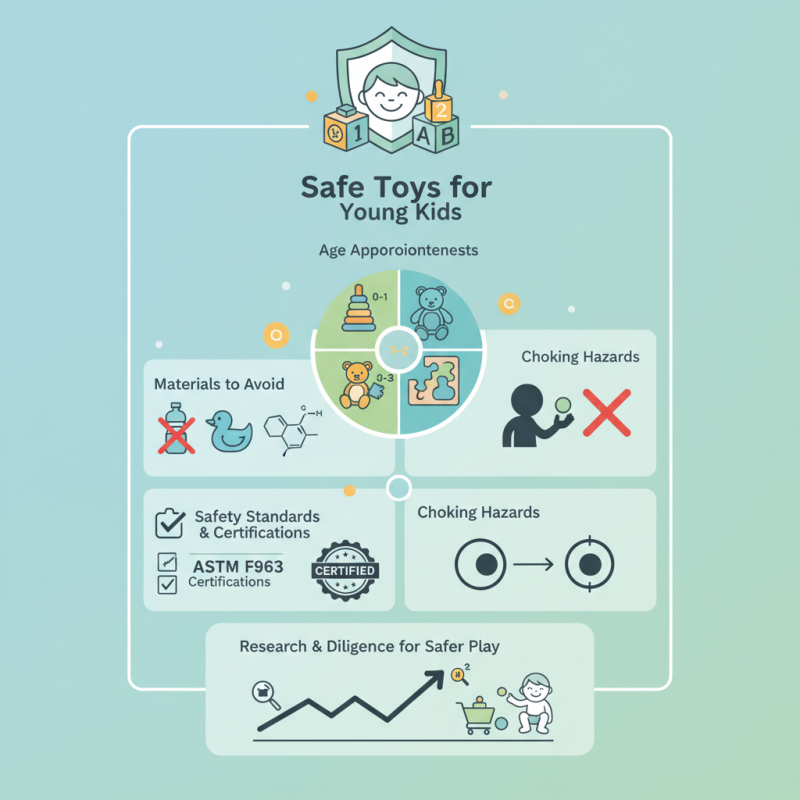
When selecting toys for young kids, age appropriateness is crucial. Toys should match the child's developmental stage. For infants, choose soft, colorful toys that stimulate senses. Rattles are great; they are safe and easy to grasp. For toddlers, consider toys that encourage imaginative play. Puzzles and stacking blocks can enhance problem-solving skills.
Consider the materials used in toys. Non-toxic, durable options are essential. Safety should always come first. Look for small parts that could pose a choking hazard. Young children often put toys in their mouths. It’s vital to check age recommendations on toy packaging. Sometimes, even well-meaning choices can lead to dangers.
Reflect on the child’s interests, too. A toy may be age-appropriate but not engaging. A child might lose interest quickly. Toys that cater to their preferences promote prolonged play. Engaging play supports cognitive and motor skill development. Always remember, it’s about creating a safe and fun environment for exploration and learning.
: Look for certifications like ASTM or EN71. These indicate toys are tested for harmful substances.
Solid wood toys typically last longer than plastic ones. They resist wear better under rough play.
Regularly inspect toys for wear and tear. Breakage can occur, even with well-made toys.
About 75% of toy-related injuries result from design flaws. Watch for small parts that can cause choking.
Aim for age-appropriate toys that promote creativity. Safety should always be balanced with fun.
Use websites dedicated to children's safety. Look for reviews from parents and experts in child development.
Yes, guidance from pediatricians can prevent mistakes. Reflecting on prior choices can improve safety.
Not all toys are designed equally. Some may seem safe but fail during actual play.
Definitely, parent reviews can offer valuable insights. They often highlight what works and what doesn’t.
Educate yourself about safety and durability. Reflect on past choices when making new selections.
When considering how to pick safe toys for young kids, it's crucial to understand the concept of age appropriateness in toy selection. Toys should not only engage children but also align with their developmental stages to prevent any safety risks. Additionally, identifying potential hazards is essential, as small parts or sharp edges can pose significant dangers to young children.
Choosing non-toxic materials is another vital aspect of ensuring safe play. Opting for toys made from eco-friendly, non-toxic substances can give parents peace of mind. Moreover, evaluating the quality and durability of toys helps ensure that they can withstand rough use, reducing the likelihood of breakage. Finally, surveying reviews and recommendations from trusted sources can guide parents in making informed decisions, ultimately contributing to a safer play environment for their children.
