As parents seek the best tools for their child's development, the question arises: "What age is best for educational toys?" Research indicates that the right educational toys can significantly enhance learning and cognitive skills during formative years. According to a report by the American Academy of Pediatrics, children aged 2 to 5 benefit immensely from interactive play. They engage in problem-solving and imagination, crucial for brain development.
Educational experts highlight that different ages require tailored toys. For instance, infants benefit from sensory toys, while preschoolers thrive with games that promote social skills. A study from the University of Cambridge found that play helps shape communication and emotional understanding. However, not all toys are created equal, and choosing the wrong type can lead to frustration or disinterest.
Parents often ponder if they are investing wisely in their child's educational journey. It's essential to reflect on the appropriateness of the toys selected. Measuring the developmental impact of toys can sometimes be subjective, leading to confusion. Therefore, understanding "what age is best for educational toys" is key to making informed, effective choices that foster a love for learning.
Understanding Educational Toys and Their Importance
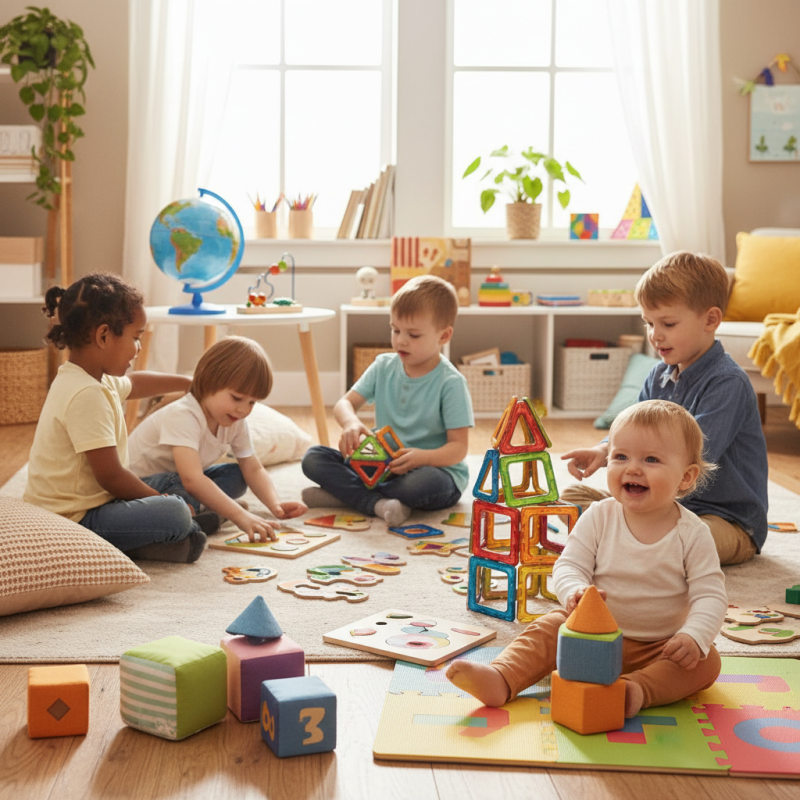
Educational toys play a crucial role in a child's development. They stimulate creativity and encourage problem-solving skills. By engaging in hands-on play, children can explore concepts in a fun way. Different age groups benefit from various types of educational toys. For toddlers, simple stacking blocks or shape sorters help develop motor skills. In contrast, older children thrive on more complex puzzles and science kits that challenge their critical thinking.
Understanding the importance of educational toys also means recognizing their impact on social skills. Many toys encourage group play, fostering teamwork and communication. Observing how children interact with these toys can provide insights into their emotional development.
However, not all toys are created equal. Some toys may promote passive play, which can stifle creativity. It's essential for caregivers to select toys that inspire exploration and active engagement.
Reflecting on this, one might question how to ensure that toys remain beneficial as children grow. As interests change, adapting the types of toys available is vital. Regularly re-evaluating what toys are in a child's environment supports ongoing learning. Balancing fun and education through toys is more than just a trend; it's a critical aspect of nurturing a well-rounded individual.
Key Developmental Stages for Learning Through Play
Children learn best through play during critical developmental stages. Research shows that play enhances cognitive and social skills. For infants aged 0 to 12 months, sensory toys are crucial. They stimulate exploration and learning about textures and sounds. At this age, babies typically develop motor skills and hand-eye coordination.
Toddlers, aged 1 to 3 years, benefit from toys that promote imaginative play. Simple building blocks or role-play sets foster creativity. Studies indicate that this type of play supports language development. Children engage in social interactions, which enhance communication skills. The importance of cooperative play can’t be overlooked here.
Preschoolers aged 3 to 5 years focus on problem-solving activities. Puzzles and games challenge their thinking abilities. This stage is significant for developing fine motor skills. Reports highlight that engaging in educational play can improve decision-making and critical thinking. However, many parents overlook the importance of varied playtime. Reflecting on how toys are chosen can lead to better learning outcomes.
Top 10 Educational Toys: Optimal Age for Learning
This chart illustrates the optimal age for learning with various educational toys. Each toy is designed to support different areas of development, ensuring children grow through play.
Top 10 Educational Toys and Their Recommended Age Range
Choosing the right educational toys can profoundly impact a child’s development. These toys cater to various age levels, enhancing skills like cognitive thinking, creativity, and social interaction. For toddlers, ages 1 to 3, interactive toys that focus on basic shapes and colors can stimulate early learning. Simple puzzles and stacking toys can keep their attention while developing motor skills.
As children enter preschool, from ages 4 to 6, the focus shifts toward toys that encourage imaginative play. Building sets and arts and crafts are essential. They foster creativity and enhance fine motor skills. Children start to explore collaborative play, making toys that promote teamwork critical at this stage.
For kids ages 7 to 10, educational board games and STEM kits can ignite curiosity and critical thinking. They serve as tools for problem-solving and strategy development. However, the best educational toys depend on a child's individual interests and learning pace. What works wonders for one might not resonate with another. Observations and engagement with your child's preferences can lead to more tailored and effective learning experiences.
Top 10 Educational Toys and Their Recommended Age Range
| Toy Name |
Recommended Age |
Learning Focus |
| Building Blocks |
2-5 years |
Creativity, Motor Skills |
| Puzzle Games |
3-7 years |
Problem Solving, Critical Thinking |
| Art Supplies |
2-8 years |
Creativity, Expression |
| STEM Kits |
8+ years |
Science, Technology, Engineering, Math |
| Musical Instruments |
3-10 years |
Music, Rhythm, Coordination |
| Language Games |
4-8 years |
Vocabulary, Communication |
| Outdoor Exploration Kits |
5-10 years |
Nature, Exploration, Science |
| Board Games |
6+ years |
Strategy, Social Skills |
| Robotics Kits |
10+ years |
Engineering, Programming |
| Memory Games |
4-8 years |
Memory, Concentration |
Benefits of Each Toy for Different Learning Objectives
When selecting educational toys, it’s crucial to match them with developmental milestones. For example, construction toys boost spatial awareness and fine motor skills. They are perfect for children aged 3-6 years. Studies indicate that hands-on building activities enhance problem-solving skills and creativity.
Art supplies serve a different purpose. They foster emotional expression and encourage imaginative play. Children aged 4-8 years benefit immensely from drawing and crafting. A report from the American Academy of Pediatrics suggests that artistic activities can improve critical thinking and coordination.
Tip: Always supervise playtime. Children learn best when guided and encouraged.
Games that involve numbers and letters cater to early literacy and numeracy. Ages 5-7 are ideal for these toys. Kids develop foundational skills needed for future learning. Research from the National Association for the Education of Young Children advises integrating educational games into daily routines.
Tip: Make learning fun by incorporating toy-based activities into family game nights. Balancing structured play with free exploration often leads to richer learning experiences.
Tips for Choosing the Right Educational Toy for Your Child's Age
Choosing the right educational toy for your child can be challenging. It’s essential to consider their age and developmental stage. Infants thrive on toys designed for sensory exploration. Bright colors, varying textures, and sounds can stimulate their senses and promote motor skills. Simple toys, like soft blocks, can encourage grasping and hand-eye coordination.
Toddlers, on the other hand, benefit from toys that enhance problem-solving skills. Puzzles or stacking toys can ignite their curiosity. At this stage, children learn through trial and error. They may find joy in making mistakes. Playtime should be engaging but not overly complicated. It’s about balancing learning with fun.
Preschoolers can handle more complex toys, such as games that teach numbers or letters. When selecting toys, consider your child’s interests. They might prefer creative art supplies or science kits. Fostering a love for learning is the goal.
Sometimes, simpler toys make a more significant impact. Reflect on what type of play encourages your child to express themselves and explore.
FAQS
: Educational toys stimulate creativity and encourage problem-solving skills through hands-on play, enhancing learning experiences.
Toddlers benefit from simple toys like stacking blocks, while older kids thrive on puzzles and science kits that challenge them.
Yes, many toys promote group play, fostering teamwork and communication among children, enhancing their emotional development.
No, some toys promote passive play, which can stifle creativity. Caregivers should select toys that inspire active engagement.
Regularly re-evaluate the toys in a child's environment and adapt them as interests change for ongoing learning support.
For toddlers aged 1 to 3, interactive toys focusing on shapes and colors, as well as simple puzzles, are ideal for motor skill development.
Preschoolers, aged 4 to 6, benefit from building sets and arts and crafts that encourage imaginative play and develop fine motor skills.
Kids in this age range can enhance their curiosity and critical thinking with educational board games and STEM kits, promoting problem-solving skills.
Observing a child's interests and learning pace is crucial for selecting toys that resonate and provide effective learning experiences.
Yes, balancing fun and education through toys is essential for nurturing well-rounded individuals in their developmental journey.
Conclusion
The article "Top 10 Educational Toys What Age is Best for Learning?" explores the vital role of educational toys in a child's development. It outlines the significance of these toys, emphasizing their ability to facilitate learning through play during key developmental stages. The piece identifies the top 10 educational toys and provides a recommended age range for each, ensuring parents can choose the right resources to support their children's learning objectives effectively.
A focal point of the discussion is "What age is best for educational toys," as the recommended age for different toys aligns with specific learning goals. Additionally, the article highlights the benefits of each toy concerning various cognitive and motor skills. It concludes with practical tips for selecting the ideal educational toy tailored to a child's developmental stage, ensuring that parents can maximize their child's learning potential through play.
 GEEGO Toys
