Play is an essential part of childhood. Research shows that play enhances cognitive and social development. According to a study by the American Academy of Pediatrics, play-based learning boosts creativity and problem-solving skills. But why do kids learn faster through play? This question drives many educators and parents to explore playful approaches.
When children engage in play, they actively participate. They manipulate, experiment, and explore their environment. This hands-on experience fosters deeper understanding. A report from the National Association for the Education of Young Children highlights how play promotes language skills and emotional resilience. Children learn to express themselves and build relationships during playtime.
Yet, not everyone recognizes the importance of play in learning. Some may see it as mere entertainment. It’s vital to reflect on these misconceptions. Balancing structured learning with play can lead to better outcomes. Fostering a playful learning environment may help children thrive. Investing in play-based education can transform early childhood experiences.
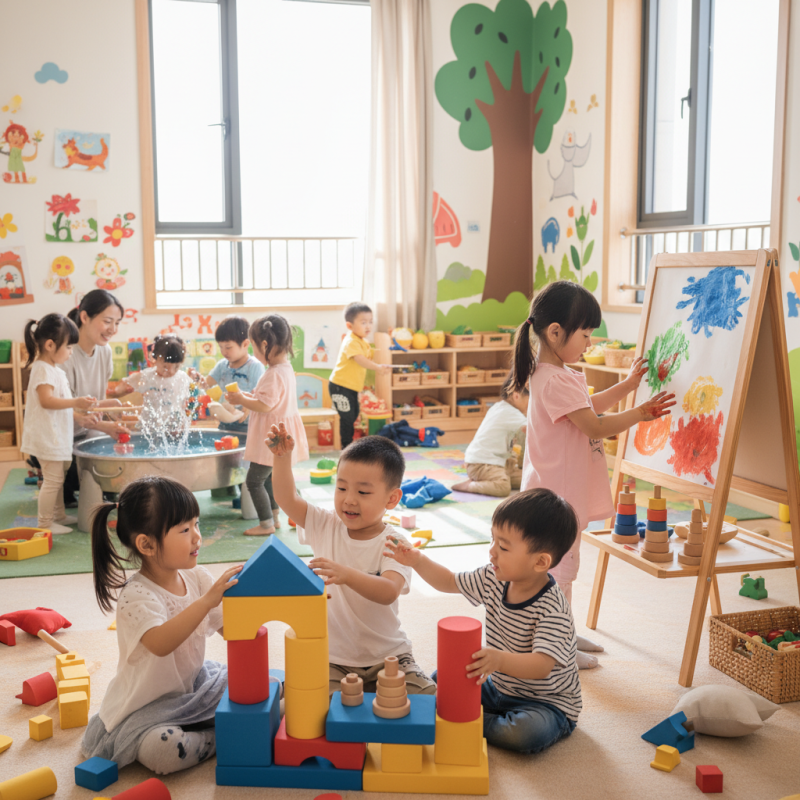
Benefits of Play in Accelerating Cognitive Development
Play is a powerful tool for cognitive development in children. Research indicates that playful activities can significantly enhance learning outcomes. According to a study by the American Academy of Pediatrics, children who engage in play-based learning show better problem-solving skills and improved critical thinking. These skills are essential for academic success and personal growth.
Engaging in play stimulates brain development by encouraging creativity and exploration. A report from the National Association for the Education of Young Children highlights that play fosters social skills, emotional regulation, and communication. Children learn to negotiate, share, and collaborate during play, which builds vital interpersonal skills. The playful environment helps to reduce stress, making children more receptive to learning.
However, not all play is equally beneficial. Supervised, interactive playtime produces the best results, while passive play, such as screen time, can hinder development. This reveals a gap that requires reflection on the quality of play experiences provided to children. Parents and educators need to ensure that playtime includes opportunities for social interaction and cognitive challenge, promoting a balanced approach to learning through play.
The Relationship Between Play and Enhanced Creativity in Children
Play is a fundamental part of childhood, serving as a catalyst for creativity. Through playful activities, children explore their environment and express their thoughts. This dynamic interaction sparks imagination. When children engage in play, they experiment with different roles, fostering creative thinking. For instance, acting out different scenarios helps develop problem-solving skills.
Tips: Encourage unstructured playtime for your child. This allows them to explore new ideas freely. Provide materials like art supplies or building blocks that stimulate creativity. Kids need room to create without strict guidelines.
The relationship between play and creativity lies in freedom. Children who play freely often develop better social skills, confidence, and resilience. Yet, many adults underestimate the power of play. It may seem chaotic, but this spontaneity is essential. Reflect on your own childhood play experiences. What did you learn? Our memories may highlight the importance of allowing kids to immerse themselves in play.
Top 10 Reasons Kids Learn Faster Through Play
This chart illustrates the top reasons why children enhance their learning capabilities through play. The reasons identified include improved problem-solving skills, enhanced creativity, better social skills, and increased motivation, among others.
Social Skills Development Through Playful Interactions
Play is an essential tool for children's social skills development. In playful interactions, kids learn to navigate complex social situations. They practice sharing, taking turns, and resolving conflicts. These experiences help them understand emotions better. For example, during a game, a child might feel frustrated when a peer wins. This teaches them to manage their feelings.
Group play often involves role-playing scenarios. Children learn empathy by stepping into each other's shoes. They mimic actions and reactions, gaining insights into different perspectives. For instance, during a mock restaurant game, kids learn to serve others. They experiment with communication skills. Yet, conflicts may arise, causing disagreements. These situations require reflection and problem-solving skills.
While play offers fantastic opportunities, it also has its challenges. Not every child is comfortable in social settings. Some may struggle with shyness or anxiety. Watching their peers socialize can feel intimidating. This highlights the need for inclusive environments. Encouraging all children to participate can enhance their confidence. Randomly pairing kids during games can create unexpected friendships, expanding their social circles.
Physical Activity: How Play Improves Motor Skills and Health
Play is an essential part of childhood development. Engaging in physical activities helps improve children’s motor skills. For instance, running, jumping, and climbing enhance coordination and balance. These skills are crucial for daily activities and sports participation. When children play outdoors, they naturally develop strength and endurance. This physical activity combats obesity and promotes overall health.
Moreover, play fosters social interaction. Kids learn to share, negotiate, and resolve conflicts. They build friendships through cooperative games. This also cultivates emotional intelligence. While playing, children express feelings and learn empathy. Yet, structured play can sometimes limit creativity. Balancing guided and free play can enrich their experiences.
It’s noteworthy that not all play experiences are perfectly beneficial. Sometimes, children may feel pressure to perform or win. Observing how kids interact during playtime is important. This allows caregivers to address any negative emotions arising from competition. Through mindful observation and interaction, adults can guide children in navigating the complexities of social play.
Emotional Growth: The Role of Play in Understanding Feelings
Play is a key avenue for children's emotional growth. Through various games, kids learn to recognize and express their feelings. They engage in role-playing or group activities, which foster emotional intelligence. A child pretending to be a doctor or a teacher explores empathy and compassion. These experiences create a safe space for kids to understand complex emotions.
Moreover, play helps in navigating social situations. Kids often encounter conflicts during play. They learn negotiation skills, handle disappointment, and cultivate patience. Each game becomes a lesson in emotional regulation. In a competitive environment, children face victories and defeats. These experiences are valuable in shaping their response to real-life challenges.
However, not all children thrive in playful settings. Some may feel overwhelmed or anxious. It's important to provide support and encouragement. Reflection is needed to understand each child's unique emotional landscape. Understanding that play can be both joyful and difficult deepens their emotional learning. We should encourage diverse play experiences, making way for holistic emotional development.
China Top 10 Reasons Kids Learn Faster Through Play? - Emotional Growth: The Role of Play in Understanding Feelings
| Reason |
Description |
Emotional Benefits |
| 1. Enhanced Creativity |
Children express themselves freely, fostering innovative problem-solving skills. |
Boosts self-esteem and confidence in self-expression. |
| 2. Improved Social Skills |
Playing with others teaches sharing, negotiation, and teamwork. |
Enhances empathy and the ability to form relationships. |
| 3. Effective Communication |
Role-playing and storytelling enable better verbal and non-verbal communication. |
Increases confidence in sharing thoughts and feelings. |
| 4. Stress Relief |
Play acts as a natural outlet for stress and anxiety. |
Promotes emotional well-being and resilience. |
| 5. Self-Regulation |
Games with rules teach children to manage their emotions and behavior. |
Helps build patience and control over impulses. |
| 6. Greater Engagement |
Interactive play captures kids’ attention, making learning fun. |
Fosters positive feelings towards learning and exploration. |
| 7. Cognitive Development |
Problem-solving games encourage critical thinking and decision-making skills. |
Increases confidence in tackling challenges. |
| 8. Physical Activity |
Active play encourages movement and coordination. |
Enhances mood and reduces feelings of depression. |
| 9. Exploration of Identity |
Play allows kids to experiment with different roles and scenarios. |
Facilitates understanding of self and personal values. |
| 10. Joy of Learning |
Fun activities create a desire to learn and explore more. |
Promotes a positive outlook on education and curiosity. |
FAQS
: Play enhances learning outcomes and improves problem-solving skills. It fosters critical thinking necessary for personal growth.
Supervised, interactive play produces better results than passive play. Quality and type of play experiences matter.
Play allows children to explore and express thoughts freely. This sparks imaginative thinking and problem-solving skills.
Offer art supplies and building blocks. Unstructured play promotes exploration without strict guidelines.
Physical play improves motor skills like coordination and balance. It also promotes health and combats obesity effectively.
Children learn to negotiate, share, and resolve conflicts during play. It cultivates friendships and emotional intelligence.
Yes, structured play can limit creativity. Children may feel pressured to perform, which isn’t always beneficial.
Observe how kids interact and address any negative feelings. Mindful guidance can enhance social play experiences.
While spontaneity is essential, it’s important to balance chaos with structured activities. Reflection on play's role is valuable.
Consider what childhood play taught you. Reflecting may highlight the significance of immersing children in play.
Conclusion
The article "China Top 10 Reasons Kids Learn Faster Through Play" explores the myriad benefits of play in children's development. One key aspect discussed is how play accelerates cognitive development by allowing children to explore, experiment, and problem-solve in a natural and engaging environment. Additionally, the relationship between play and enhanced creativity is highlighted, as imaginative activities encourage innovative thinking and self-expression.
Furthermore, playful interactions foster social skills, enabling children to navigate relationships and develop empathy through cooperative play. Physical activity, a significant component of play, not only improves motor skills but also boosts overall health. Lastly, play is essential for emotional growth, helping children understand and manage their feelings. Ultimately, the article answers the question, "Why do kids learn faster through play?" by demonstrating how these various aspects of play contribute holistically to a child's development.
 GEEGO Toys
