In today’s fast-paced world, parents often overlook a vital aspect of childhood development. Educational toys play a crucial role in shaping a child's mind. "Why do kids need learning toys at home?" This question is often posed by parents who seek the best for their children’s growth.
According to Dr. Emily Garcia, a renowned child psychologist, "Learning toys stimulate curiosity and encourage problem-solving skills." Her expertise highlights the importance of hands-on experiences in learning. Toys designed for education can spark creativity and critical thinking in young minds. They provide a fun yet enriching environment for kids.
Many parents may think that simple fun is enough. However, learning toys offer more than entertainment. They can help with fine motor skills, language development, and social interaction. Choosing the right toys can be overwhelming. Reflecting on their long-term impact is essential. Investing time and thought in selecting educational toys could lead to meaningful benefits for a child’s future.
The Importance of Learning Toys for Child Development
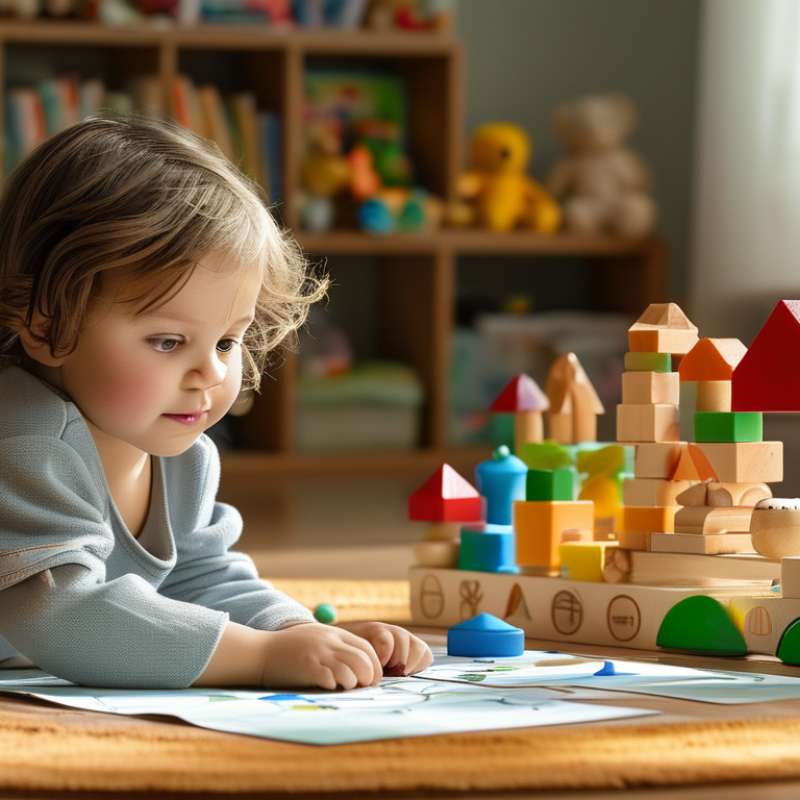
Learning toys play a vital role in child development. According to a report by the American Academy of Pediatrics, children learn best through play. Engaging with learning toys can enhance cognitive abilities, creativity, and problem-solving skills. For instance, building blocks encourage spatial awareness and fine motor skills. Research indicates that children who play with educational toys score higher on verbal and math assessments later in life.
Studies show that 85% of a child's brain develops before age 5. This period is crucial for social and emotional growth. Learning toys can foster collaboration and communication among peers. When children play together, they practice sharing, negotiating, and empathy. These abilities are essential for forming positive relationships in the future. However, not all toys automatically encourage these skills. It can be challenging for parents to choose the right ones.
Moreover, a 2021 report by the National Association for the Education of Young Children highlighted the importance of open-ended play. Toys that allow children to explore and create promote critical thinking. While some toys offer specific tasks, they may limit imagination. Parents should reflect on how to balance structured and unstructured play experiences. The right choices empower children to become independent thinkers and lifelong learners.
Enhancing Cognitive Skills Through Playful Learning
Playful learning is essential for children's cognitive development. Learning toys play a vital role in this process. They stimulate creativity and critical thinking. When kids engage with these toys, they explore different concepts. They learn about cause and effect, and they practice problem-solving skills. This hands-on approach makes learning exciting and effective.
Different types of toys can enhance various cognitive skills. For instance, construction sets encourage spatial awareness. Puzzles develop logical thinking. Role-playing toys inspire imagination. These activities also foster social skills, as children often play together. However, not all toys have the same impact. Selecting the right ones can be challenging. Some toys might overwhelm kids instead of engaging them. Parents should pay attention to their child's learning style.
Reflection is crucial in this learning journey. Observing how a child interacts with toys can provide insights. Not every toy will click with every child. Trial and error is part of this process. Encouraging kids to express their thoughts about these activities can lead to better choices. This exploration helps parents make informed decisions to support their child's growth.
Fostering Creativity and Imagination with Educational Toys
Educational toys play a crucial role in fostering creativity and imagination in children. These toys engage kids in ways that spark their interest. When kids manipulate building blocks, they learn to visualize and create. It encourages them to think outside the box. Imaginative play often leads to innovative thinking later in life.
Through storytelling dolls or puppet sets, children can invent their narratives. They begin to express themselves more freely. This type of play helps develop language skills as well. Children articulate their thoughts while playing, enhancing both vocabulary and confidence.
Reflecting on the impact of play is essential. Not all children respond to toys in the same way. Some may struggle to engage or may need different stimuli. Understanding individual needs allows caregivers to find the right educational tools. In the end, fostering creativity is about recognizing how each child uniquely interacts with their environment. It's a journey of exploration, filled with learning and discovery.
Top 10 Reasons Kids Need Learning Toys at Home? - Fostering Creativity and Imagination with Educational Toys
| Reason |
Description |
Age Group |
| Enhances Problem-Solving Skills |
Learning toys encourage children to think critically and find solutions. |
3-5 years |
| Boosts Creativity |
Toys that allow open-ended play inspire imagination and creative thinking. |
2-7 years |
| Develops Social Skills |
Group play with educational toys fosters interaction and teamwork. |
4-8 years |
| Encourages Independent Learning |
Kids learn to explore and experiment on their own with the right toys. |
3-6 years |
| Improves Fine Motor Skills |
Toys that include building or manipulation enhance dexterity. |
2-5 years |
| Strengthens Cognitive Skills |
Educational toys support memory development and logical thinking. |
3-6 years |
| Fosters Emotional Development |
Interactive toys help children express and understand emotions. |
3-8 years |
| Promotes STEM Learning |
Toys related to science, technology, engineering, and math engage kids in critical subjects. |
5-10 years |
| Encourages Physical Activity |
Active play toys promote movement and coordination. |
2-6 years |
| Builds Resilience |
Learning through play teaches kids to handle failure and persist. |
4-8 years |
Encouraging Social Interaction and Cooperation among Children
Learning toys play a crucial role in child development, especially in fostering social interaction. Children engaged in cooperative play learn valuable skills. A report by the American Academy of Pediatrics highlights that children aged 3 to 6 benefit significantly from toys that encourage group play. These toys promote teamwork and communication. They help children navigate social dynamics while learning to share and negotiate.
Research indicates that children who play together are better at problem-solving. They develop empathy and understanding earlier than those who play alone. According to a study published in the Journal of Child Development, children who frequently engage in collaborative play show improved social skills. These interactions can lead to lasting friendships and foster emotional intelligence.
However, not all play experiences are positive. Some children may feel left out or struggle to communicate their ideas. It’s essential for caregivers to facilitate these interactions. Observing children during play can reveal areas where they need support. Finding the right balance between guidance and independent play is critical. With the right learning toys, children can develop essential skills while navigating the complexities of social interactions.
Supporting Physical Development and Motor Skills with Toys
Toys play a significant role in children's physical development. They encourage movement, coordination, and hand-eye coordination. When kids use stacking blocks, they learn to balance and control their movements. This is vital, especially for toddlers who are developing essential motor skills.
Different types of learning toys can enhance fine and gross motor skills. For instance, puzzles require precise finger movements. As children manipulate pieces, they strengthen their finger muscles. Meanwhile, toys like balls or push toys promote larger movements. Kids run, throw, and kick, which improves their overall coordination.
It’s also important to note that not every toy works for every child. Some may struggle with specific tasks. This can lead to frustration but also encourages perseverance. Parents should observe their children, choosing toys that challenge them just enough. Finding the balance can foster both growth and enjoyment in play. Encouraging exploration through play is essential for their development journey.
Top 10 Reasons Kids Need Learning Toys at Home
Conclusion
Why do kids need learning toys at home? Learning toys play a crucial role in child development by enhancing cognitive skills through engaging and playful experiences. These toys are designed to promote critical thinking, problem-solving, and the acquisition of new knowledge while children enjoy the process of learning. Furthermore, they foster creativity and imagination, allowing children to explore their interests and express themselves in diverse ways.
In addition to cognitive benefits, learning toys encourage social interaction and cooperation among children. Through collaborative play, kids learn important social skills such as sharing, taking turns, and resolving conflicts. Moreover, many educational toys also support physical development and motor skills, as children manipulate and interact with them, improving their coordination and dexterity. Overall, incorporating learning toys at home provides a well-rounded approach to nurturing a child's growth and development.
 GEEGO Toys
