GEEGO Toys
Language development in children is crucial for their overall growth. Research indicates that engaging with the right toys can significantly enhance this process. A study by the American Academy of Pediatrics highlights that children learn best through play. So, what toys help with language development?
Interactive toys like building blocks and dolls encourage storytelling and conversation. These toys promote imaginative play, which fosters communication skills. According to a report by the US Department of Education, children who engage with these types of toys show improved vocabulary and speech clarity.
On the other hand, not all toys support language growth equally. Screen time can hinder verbal skills. It often lacks meaningful interaction. In contrast, tangible toys encourage engagement and verbal expression. Therefore, parents should choose wisely. Selecting toys that inspire dialogue can make a significant difference in a child's lifelong communication abilities.
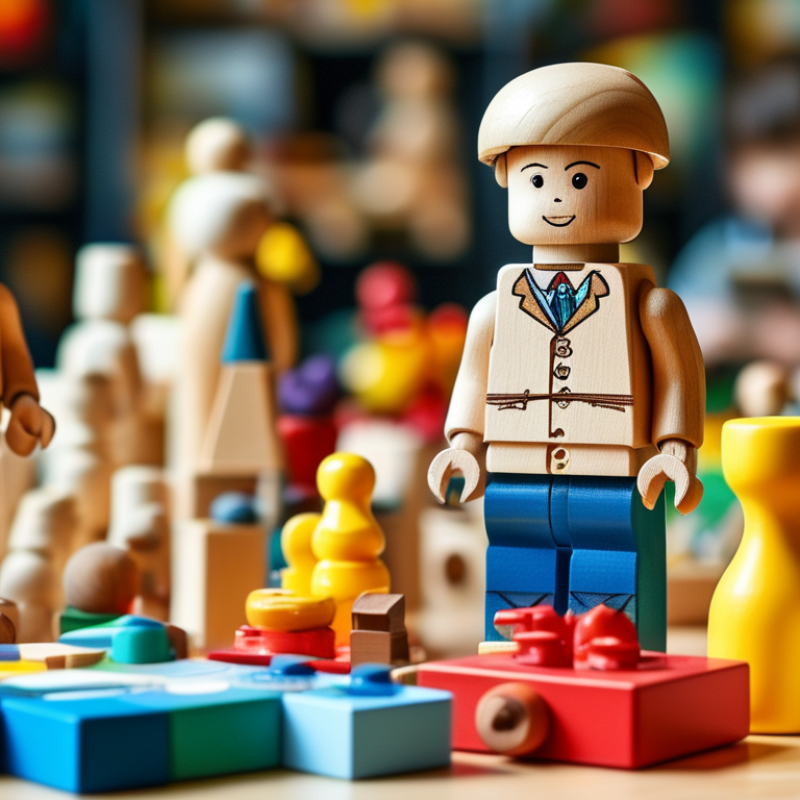
Toys play a crucial role in enhancing children's language development. Simple toys like blocks promote vocabulary growth. They encourage interaction between caregivers and children. Research shows that children engage in language-rich play when using blocks. This form of play often leads to improved language skills.
In contrast, dolls and action figures inspire storytelling. Children create narratives that expand their vocabulary. A study from the American Academy of Pediatrics found that role-playing with dolls can increase the use of descriptive language. Interactive games also foster communication. Board games encourage turn-taking and discussion, essential skills for language development.
However, not all toys produce the same results. Some digital toys can limit conversation. Reports indicate that children often engage less with caregivers when using screens. Toy selection requires careful consideration. Parents should prioritize toys that encourage interaction and creativity. These elements are vital for nurturing communication skills in young children.
Interactive toys play a crucial role in enhancing communication skills for children. These toys often engage children through sound, movement, and visual stimulation. For instance, toys that talk, sing, or respond to actions can spark conversations. When children interact with these toys, they practice speaking and listening skills.
An example is a toy that asks questions and waits for a response. This setup encourages children to express their thoughts. They learn turn-taking in conversations, which is a vital communication skill. Furthermore, some toys promote teamwork. Children learn to cooperate, share ideas, and express feelings while playing together. However, some children may get frustrated if they don't understand how to use these toys. It's important for caregivers to guide them through the process.
Choosing the right toy can be challenging. Not all toys suit every child's needs. Some might prefer quieter toys, while others enjoy louder, more interactive options. Observing a child's interests helps select appropriate toys. It's also essential to reflect on the balance of screen time with these interactive experiences. Engaging with children through play is as vital as the toys themselves.
Storytelling toys play a crucial role in enhancing children’s language development. According to the American Academy of Pediatrics, children learn best through play. Toys that encourage storytelling ignite imagination and foster vocabulary growth that traditional methods might miss. These toys allow children to create narratives, which is essential for language acquisition. A study by the National Center for Education Statistics found that engaging in storytelling activities can enhance vocabulary by 25% in early childhood.
In addition to vocabulary, storytelling toys promote critical thinking. Children learn to structure ideas and express emotions through narratives. This process is not always smooth. Sometimes, kids may struggle to articulate their thoughts. These moments offer perfect opportunities for parents to step in, guiding children in refining their stories. Encouraging creativity while providing support can make a difference.
Tips: Choose toys that allow customization. A storybook kit with interchangeable characters can spark new ideas. Engage children in discussions about their stories. Ask questions that promote deeper thinking. Allow them to explore various narrative paths, even if they get lost along the way. Embrace these moments of imperfection, as they often lead to the most profound learning experiences.
Educational games play a significant role in enhancing language skills in children. These games provide children with opportunities to practice vocabulary and sentence structure in a fun way. They encourage communication, promoting not only speaking but also listening skills. Engaging in these activities sparks a child’s curiosity, leading them to explore language in creative contexts.
Incorporating storytelling games can stimulate imagination. When children narrate stories, they build vocabulary and grasp narrative structure. Role-playing games also foster language skills. Kids mimic adult conversations, practicing words and phrases they hear. This exploration of language helps them understand context and usage.
Tips: Choose interactive games that require verbal responses. This engagement fosters a deeper understanding of language mechanics. Encourage children to express feelings and ideas during play. Such discussions can deepen language acquisition. Reflection is key. Observe which games captivate your child. Understanding their preferences can guide future play choices.
Choosing age-appropriate toys is crucial for enhancing language development in young children. Research indicates that toddlers exposed to interactive toys, such as puzzles and books, show better vocabulary growth. According to a study from the American Academy of Pediatrics, children who engage with educational toys are more likely to display improved language skills by age three.
Consider incorporating toys that encourage conversation. Toys like dolls or action figures facilitate imaginative play, which enhances storytelling abilities. These interactions allow children to practice language in varied contexts. The right toys also foster social skills, important for effective communication.
**Tips:** Look for toys that encourage open-ended play. Avoid overly prescriptive toys that limit creativity. Invest time playing alongside your child. Your involvement is key, as they learn through observation and imitation. Monitor their reactions to different toys and adjust accordingly to keep their interest alive.
: Interactive toys engage kids through sound and movement, helping them practice speaking and listening.
A toy that asks questions and waits for responses encourages children to express their thoughts effectively.
Some children may feel frustrated if they don’t understand how to use the toys. Guidance from caregivers is essential.
It’s crucial to observe a child’s interests and balance screen time with interactive play experiences.
Storytelling toys ignite imagination and help children create narratives, enhancing their vocabulary and language skills.
Children may struggle to articulate their thoughts, but these moments are opportunities for guidance and improvement.
Age-appropriate toys, puzzles, and books are recommended for better vocabulary growth in young children.
Engage with children using dolls or action figures, allowing them to practice language in different contexts.
Overly prescriptive toys limit creativity. Choose those encouraging open-ended play instead.
Parents playing alongside their children is crucial, as kids learn much through observation and imitation.
When considering "What toys help with language development," various types of toys play a crucial role in enhancing communication skills in children. Interactive toys, such as those that require verbal responses or encourage dialogue, significantly contribute to this development. They provide opportunities for children to practice speaking and listening, fostering essential language skills.
Additionally, storytelling toys stimulate imagination and promote vocabulary growth by inviting children to create narratives and explore language in a fun way. Educational games, on the other hand, not only entertain but also challenge young minds to learn new words and concepts. It is important for parents to choose age-appropriate toys that align with their children’s developmental stages, ensuring optimal language learning experiences that can significantly enrich their communication abilities as they grow.
