 GEEGO Toys
GEEGO Toys
GEEGO Toys
Toys play a significant role in enhancing children's learning. The engaging nature of toys fosters curiosity and creative thinking. Children explore their environment through play, developing essential cognitive skills. So, how do toys help with kids’ learning?
When children interact with toys, they experience hands-on learning. For instance, building blocks teach spatial awareness and problem-solving. Each time children stack a block, they test their understanding of balance and gravity. This process is trial and error. Not every attempt is successful, leading to moments of frustration or surprising breakthroughs.
Furthermore, toys often encourage social interaction. Playing with peers helps children develop communication skills. They learn to negotiate roles in games and share resources. However, some children may struggle in these situations. Their reluctance to engage can hinder social development. Overall, toys serve as valuable tools that enhance learning in multifaceted ways, but the process is not always perfect.
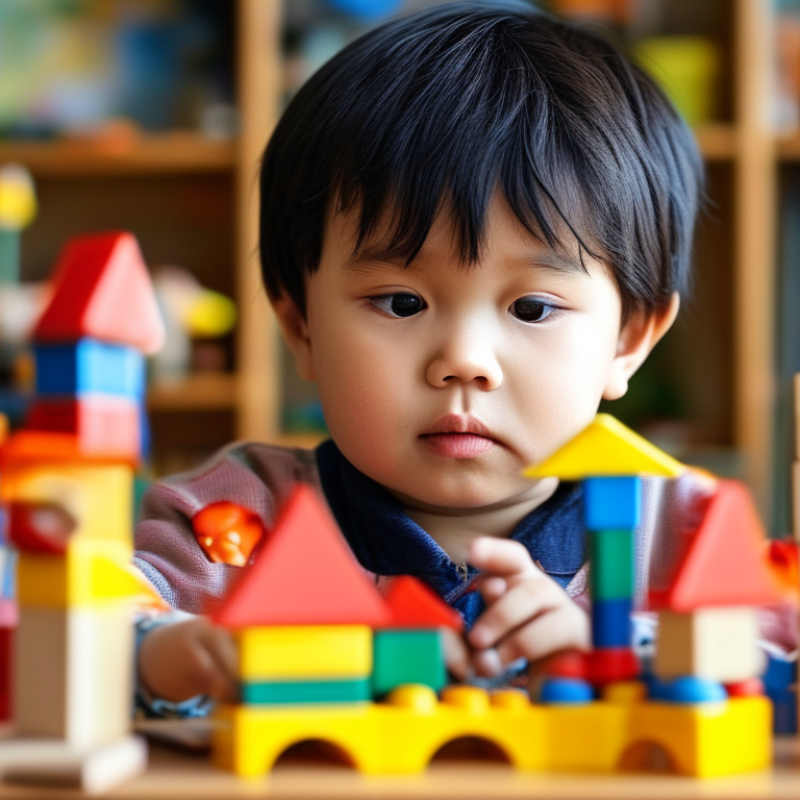
Play is a fundamental aspect of childhood that significantly influences cognitive development. When children engage with toys, they are not merely having fun; they are learning crucial skills. For instance, building blocks teach spatial awareness and problem-solving. These simple toys can turn into powerful tools that shape young minds.
During play, children explore concepts like cause and effect. They experiment with different scenarios, making mistakes along the way. This trial-and-error process fosters creativity and critical thinking. A child might drop a toy to see what happens. That small action lays the groundwork for understanding physics in a playful way.
Moreover, social play enhances learning as children interact with peers. They negotiate rules and roles, developing communication skills. However, unstructured play can lead to conflicts. These conflicts offer opportunities for children to learn about cooperation and empathy. The messy, imperfect nature of play is where true learning occurs. By reflecting on their experiences, children gain valuable insights.
| Toy Type | Cognitive Skills Enhanced | Age Range | Examples |
|---|---|---|---|
| Building Blocks | Spatial Awareness, Problem Solving | 2-6 years | Lego, Wooden Blocks |
| Puzzles | Critical Thinking, Memory | 3-7 years | Jigsaw Puzzles, Shape Sorters |
| Pretend Play Sets | Imagination, Social Skills | 3-8 years | Dollhouses, Kitchen Sets |
| Art Supplies | Creativity, Fine Motor Skills | 2-6 years | Crayons, Paints, Coloring Books |
| Board Games | Strategy, Cooperation | 5-10 years | Monopoly, Chess |
: Play significantly influences cognitive development by helping children learn essential skills through engaging activities.
Toys like building blocks and puzzles enhance problem-solving, creativity, and spatial awareness during playtime.
Kids explore concepts like cause and effect. They make mistakes, which fosters creativity and critical thinking skills.
Children interact with peers, negotiate rules, and develop communication skills. It also teaches cooperation and empathy.
Unstructured play may lead to conflicts but promotes valuable lessons in cooperation and understanding emotions.
Selecting age-appropriate toys is vital for safety and development. Simple toys usually engage younger children longer.
Artistic toys like crayons and clay allow kids to express themselves creatively and develop fine motor skills.
Technology can create engaging learning experiences but must promote critical thinking and creativity without distracting.
It's essential to combine screen time with hands-on play while ensuring the child has a well-rounded experience.
Over-dependence on tech toys may hinder imaginative play and should be monitored to encourage diverse activities.
Toys play a crucial role in enhancing children's learning by fostering cognitive development through play. Engaging with various types of toys—such as building blocks, puzzles, and interactive games—promotes skill development in areas like problem-solving, creativity, and fine motor skills. The process of play allows children to explore their environment, experiment with concepts, and develop social skills, which are essential for holistic learning.
Furthermore, play-based learning offers significant psychological benefits, including improved emotional well-being and resilience. Research consistently supports the idea that toys can serve as effective educational tools, reinforcing academic concepts while making learning enjoyable. With the integration of technology in educational toys, the impact on kids' learning has become even more pronounced, as these innovative tools provide interactive experiences that captivate young minds. Ultimately, understanding "how do toys help with kids’ learning" reveals their indispensable value in the early stages of childhood education.
