In today's world, fostering creativity in children is more crucial than ever. Toys are powerful tools that can spark imagination and inspire innovative thinking. According to Dr. Alice Smith, a renowned child development expert, “Playing with toys allows children to explore their ideas and express themselves freely.” This highlights the importance of understanding how to use toys to boost creativity effectively.
Toys offer limitless possibilities. They encourage kids to build, explore, and dream. For instance, a simple set of building blocks can transform into a castle or a spaceship. Children learn problem-solving and adaptability through open-ended play. However, it's essential to ensure that toys are not overly structured. Overly complicated toys can sometimes stifle creativity rather than enhance it.
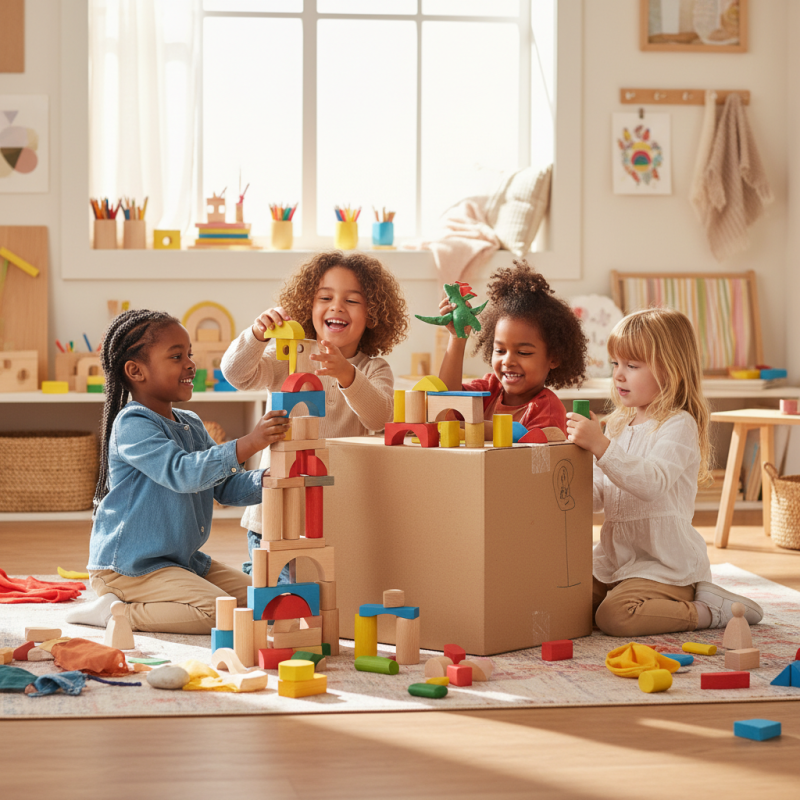
Incorporating everyday items into play can also inspire creativity. A cardboard box can become anything from a car to a cozy hideout. Reflecting on this, parents and educators should consider how they present toys to children. The goal is not just to entertain but to cultivate imaginative thinking that lasts a lifetime. Understanding how to use toys to boost creativity can lead to profound developmental benefits for children.
Understanding the Role of Play in Child Development and Creativity
Play is a critical component of child development. Through play, children explore their world, learn new skills, and express emotions. Toys play a significant role in this process. For instance, building blocks encourage problem-solving and spatial awareness. Dolls can stimulate social interaction and empathy. Each interaction with toys contributes to a child's growth.
Creativity flourishes in an environment that values play. When children engage in imaginative play, they learn to think outside the box. A simple toy can become anything in their minds. A cardboard box transforms into a spaceship or a castle. This flexibility helps children develop critical thinking.
However, not all toys foster creativity. Some toys have strict functions and outcomes. They limit a child’s imagination and exploration. It’s crucial for caregivers to reflect on the types of toys they provide. Encouraging open-ended play can help children thrive creatively. Striking a balance between structured and unstructured playtime can enhance their development.
Selecting the Right Toys to Foster Imagination and Problem-Solving Skills
Selecting the right toys is crucial for inspiring creativity in kids. Research from the American Academy of Pediatrics shows that imaginative play significantly enhances problem-solving skills. Toys that encourage open-ended play, such as building blocks or art supplies, allow children to explore their creativity. These toys can lead to innovative thinking and better emotional development.
One effective tip is to choose toys that require minimal instruction. This encourages kids to use their imaginations rather than following a strict guideline. For example, a set of construction blocks allows children to build whatever they envision. In contrast, toys that have a single function often limit creativity. Encourage your child to repurpose old toys as well; this inspires inventive thinking.
Another recommendation is to introduce collaborative toys that promote teamwork, such as puzzles or group art projects. These toys help kids learn to work together and solve problems collectively. Kids thrive in environments where they can explore, create, and occasionally fail. Embrace the messiness of creativity. It’s part of the learning process.
Encouraging Open-Ended Play with Multi-Purpose Toys and Materials
To foster creativity in children, open-ended play is essential. Multi-purpose toys and materials allow kids to explore their imagination freely. Studies reveal that children who engage in such play develop better problem-solving skills and higher levels of creativity. This kind of play promotes cognitive flexibility, enabling kids to approach challenges from different angles.
Incorporating versatile materials can be key. Items like building blocks, art supplies, and everyday objects can ignite imaginative scenarios. Encourage children to combine different toys. This mix encourages creative thinking. For example, a simple box can transform into a car, a house, or a spaceship. Such flexibility fosters innovation.
Tips for Parents:
- Provide a variety of textures and colors. Diverse options can enhance sensory experiences.
- Limit structured play. Allowing children to dictate their activities helps nurture independence.
- Observe quietly. Seeing how children interact gives insights into their preferences and creativity.
Creating an environment ripe for exploration holds immense value. A 2021 report from the National Association for the Education of Young Children found that purposeful play enhances learning outcomes. Embracing open-ended play can lay the foundation for lifelong creative benefits.
Incorporating Art and Craft Supplies to Enhance Creative Expression
Incorporating art and craft supplies can significantly enhance children’s creative expression. By providing a variety of materials, such as colors, paper, and clay, children can explore their imagination freely. When kids have access to paints, markers, or even recycled materials, they are encouraged to think outside the box. This approach fosters not only their artistic skills but also their problem-solving abilities.
Encouraging messy play can also be beneficial. Letting kids play with glue, glitter, and other tactile materials may lead to unexpected messes. These moments, while challenging, can offer valuable lessons in resilience and adaptability. Over time, kids learn to embrace imperfections as part of the creative process. They might get frustrated at times, but guiding them through these moments can help them find joy in their creations.
Set up an art corner where kids can experiment freely. This space should be theirs to create without limits. Remember, it’s okay if the artwork doesn’t turn out as expected. Creative expression is about the journey, not just the finished piece. Celebrate their efforts, regardless of outcome, and allow them to reflect on their experiences.
Engaging in Collaborative Play to Boost Social Skills and Innovation
Collaborative play is a powerful tool for nurturing social skills in children. When kids engage in group play, they learn to communicate and express their ideas clearly. For instance, when building a fort together, they discuss design choices. This sparks negotiation and teamwork.
These interactions help kids understand different perspectives, enhancing their social competence.
Creativity flourishes in a shared environment. When playing with friends, children bounce ideas off each other. They may initially struggle with differing opinions, but this friction can lead to innovative solutions. For example, while creating a story, one child might suggest a dragon, while another wants a princess.
Finding common ground encourages imagination and storytelling skills.
Mistakes are part of the process. Sometimes, the fort falls down, or the story becomes chaotic. These moments require reflection and adaptation. Kids learn that failure isn’t the end; it's an opportunity to try again. Through collaborative play, children not only develop creativity but also resilience, preparing them for future challenges in both play and life.
FAQS
: Play allows children to explore, learn new skills, and express their emotions effectively.
Toys like building blocks and dolls promote problem-solving, social interaction, and imaginative thinking.
No, some toys limit imagination and exploration due to their strict functions and outcomes.
Caregivers should encourage open-ended play, which nurtures creativity and critical thinking.
Art supplies like colors and clay allow children to explore their imagination and develop artistic skills.
Messy play teaches resilience and adaptability while providing valuable lessons during creative exploration.
Create an art corner that is free from limitations, where children can experiment and create.
It's okay if the artwork isn’t perfect; the process of creation is important for growth.
Guiding children through frustration helps them find joy in creating, despite imperfections.
Celebrating efforts encourages reflection on experiences, nurturing a positive relationship with creativity.
Conclusion
Play is a fundamental element in child development, serving as a crucial avenue for creativity. Understanding how to use toys to boost creativity involves selecting toys that foster imagination and problem-solving skills. By opting for open-ended play with multi-purpose toys and materials, children can explore various scenarios and outcomes, which is essential for their creative growth.
Incorporating art and craft supplies further enhances creative expression, allowing kids to experiment with colors, shapes, and textures. Moreover, engaging in collaborative play boosts social skills and innovation, as children learn to communicate and share ideas while playing together. Overall, the right toys can significantly inspire creativity in kids, making playtime not only enjoyable but also educational.
 GEEGO Toys
